Dubrovnik hosts international conference on the future of European capital markets
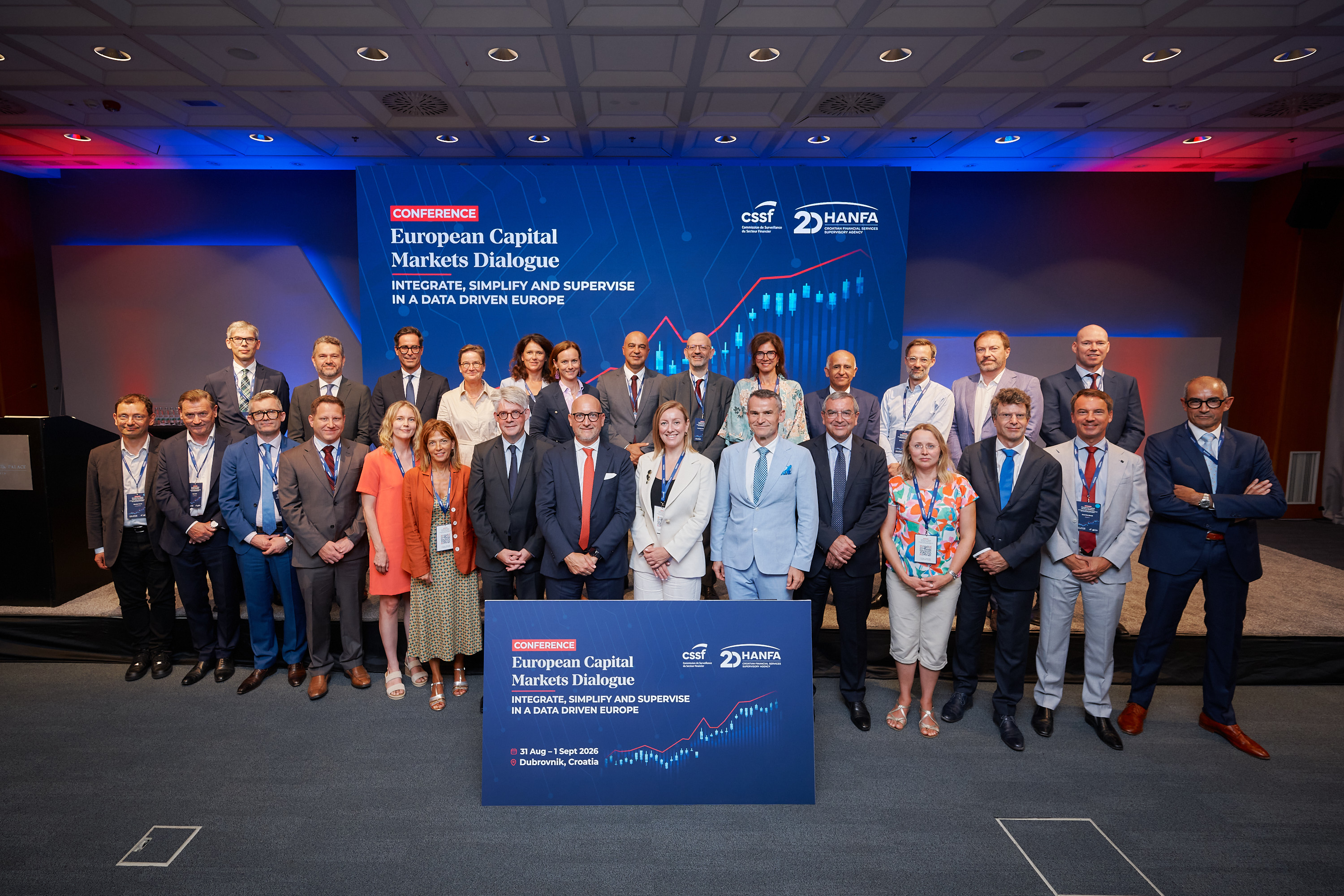
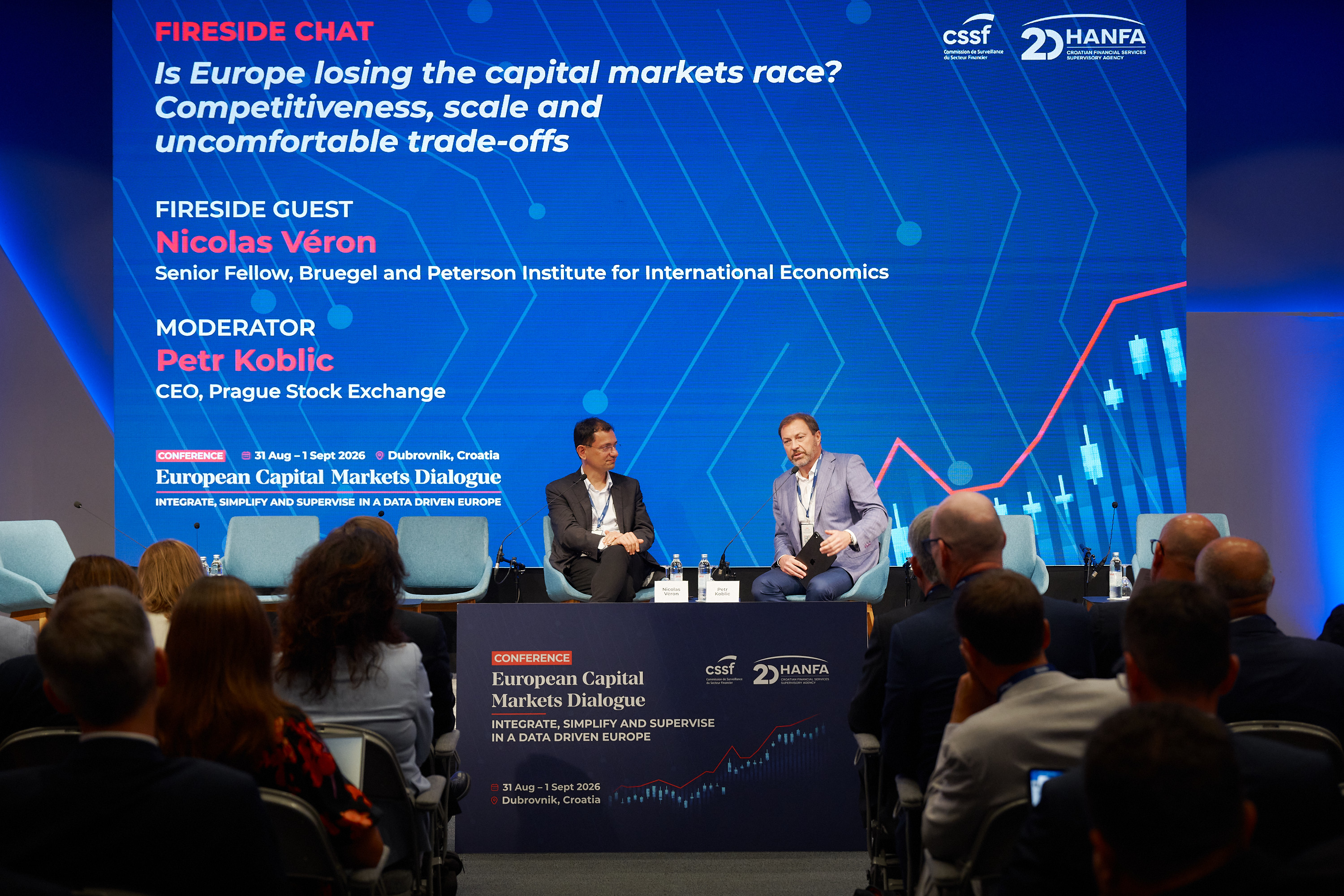
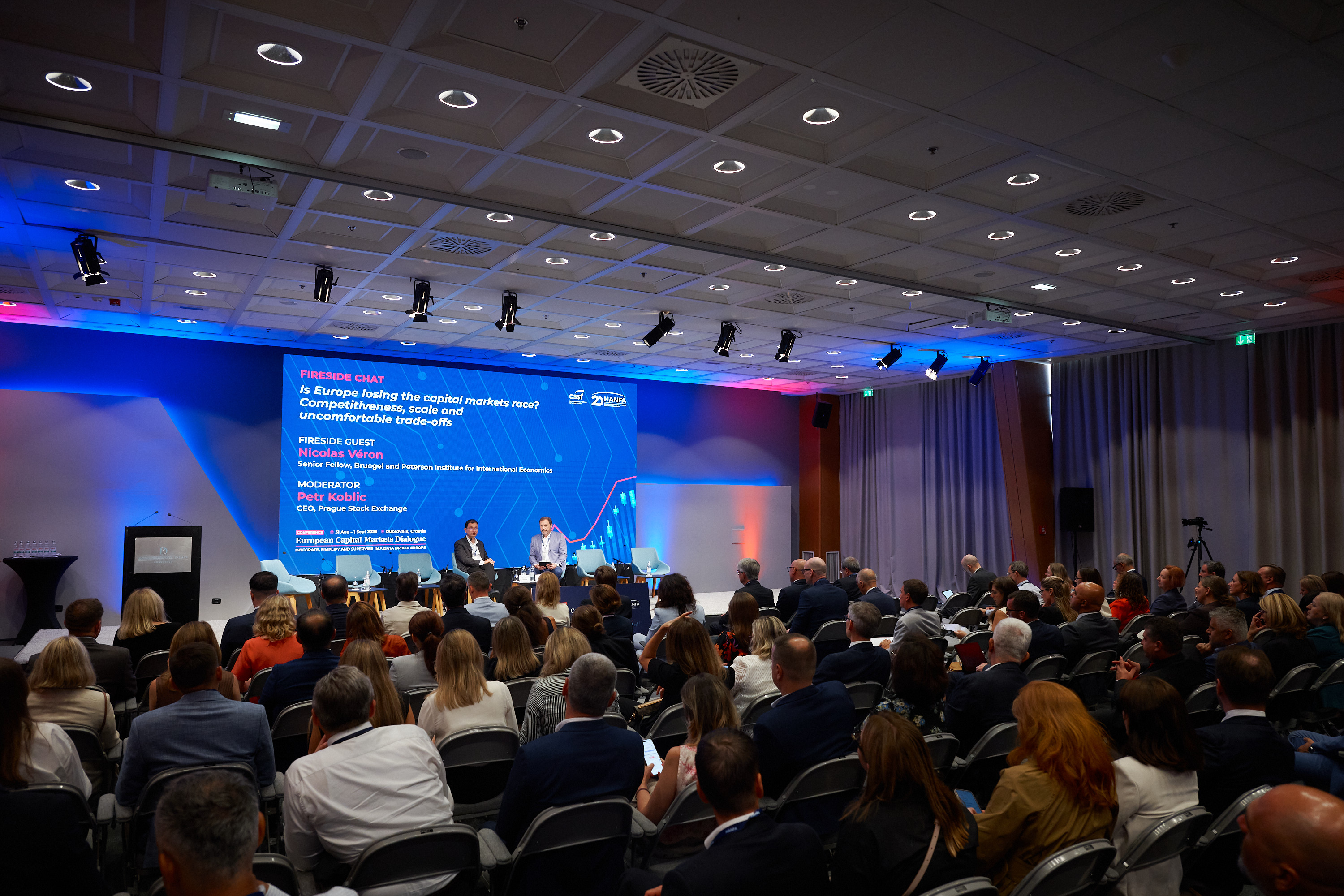
On 31 August and 1 September 2026, Dubrovnik hosted the international conference “European Capital Markets Dialogue: Integrate, Simplify and Supervise in a Data-Driven Europe”, organised by the Croatian Financial Services Supervisory Agency (Hanfa) in programme partnership with the Luxembourg financial sector supervisory authority, Commission de Surveillance du Secteur Financier (CSSF).
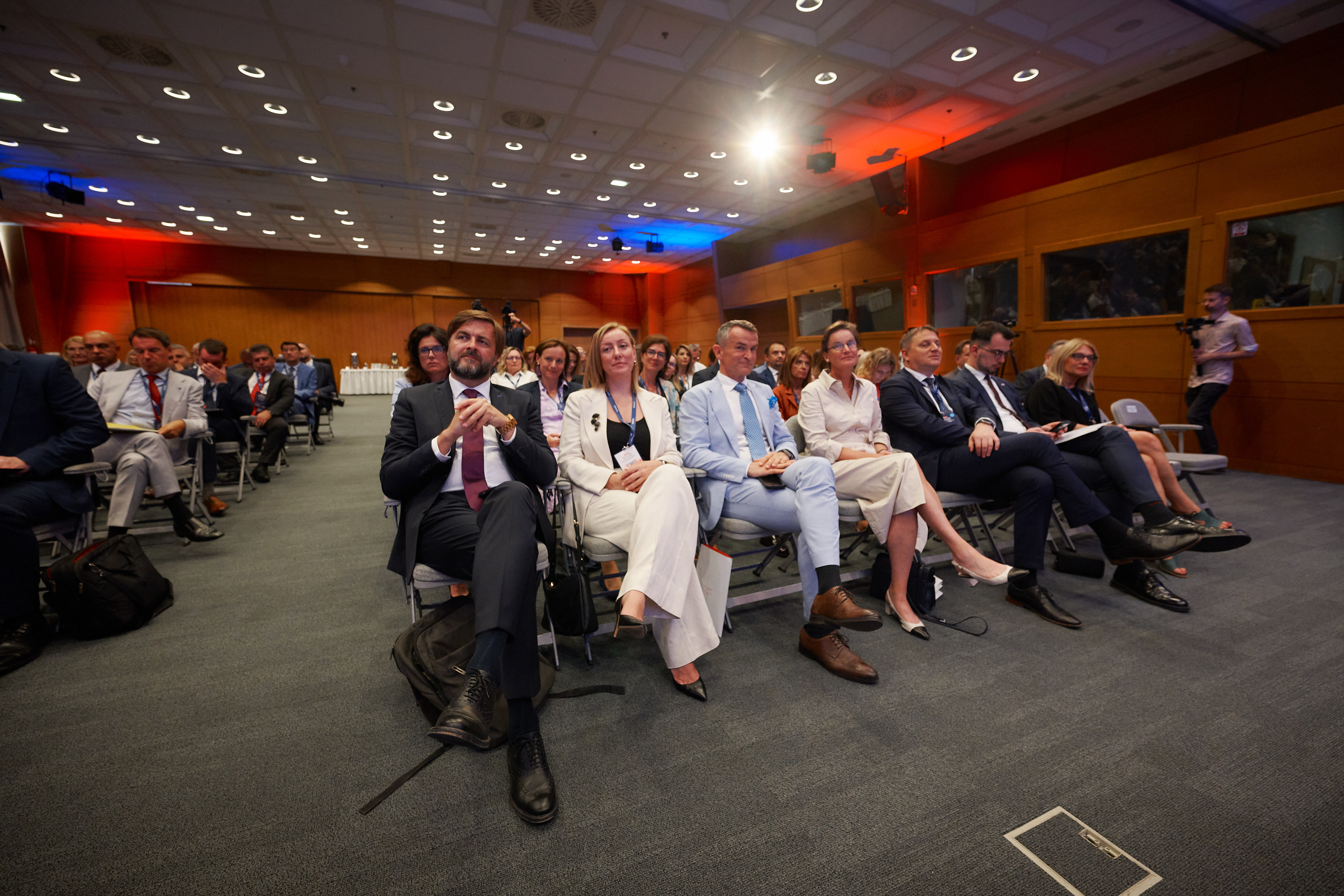
The two-day conference programme brought together leading experts, representatives of European and regional regulatory and supervisory authorities, European Union institutions, and the financial industry to discuss key challenges and opportunities for the further development of European capital markets, in a period of significant regulatory, technological and market change. The discussions focused on enhancing the competitiveness of European capital markets, improving regulatory efficiency and supervisory practices, and safeguarding market integrity in a rapidly evolving digital environment.
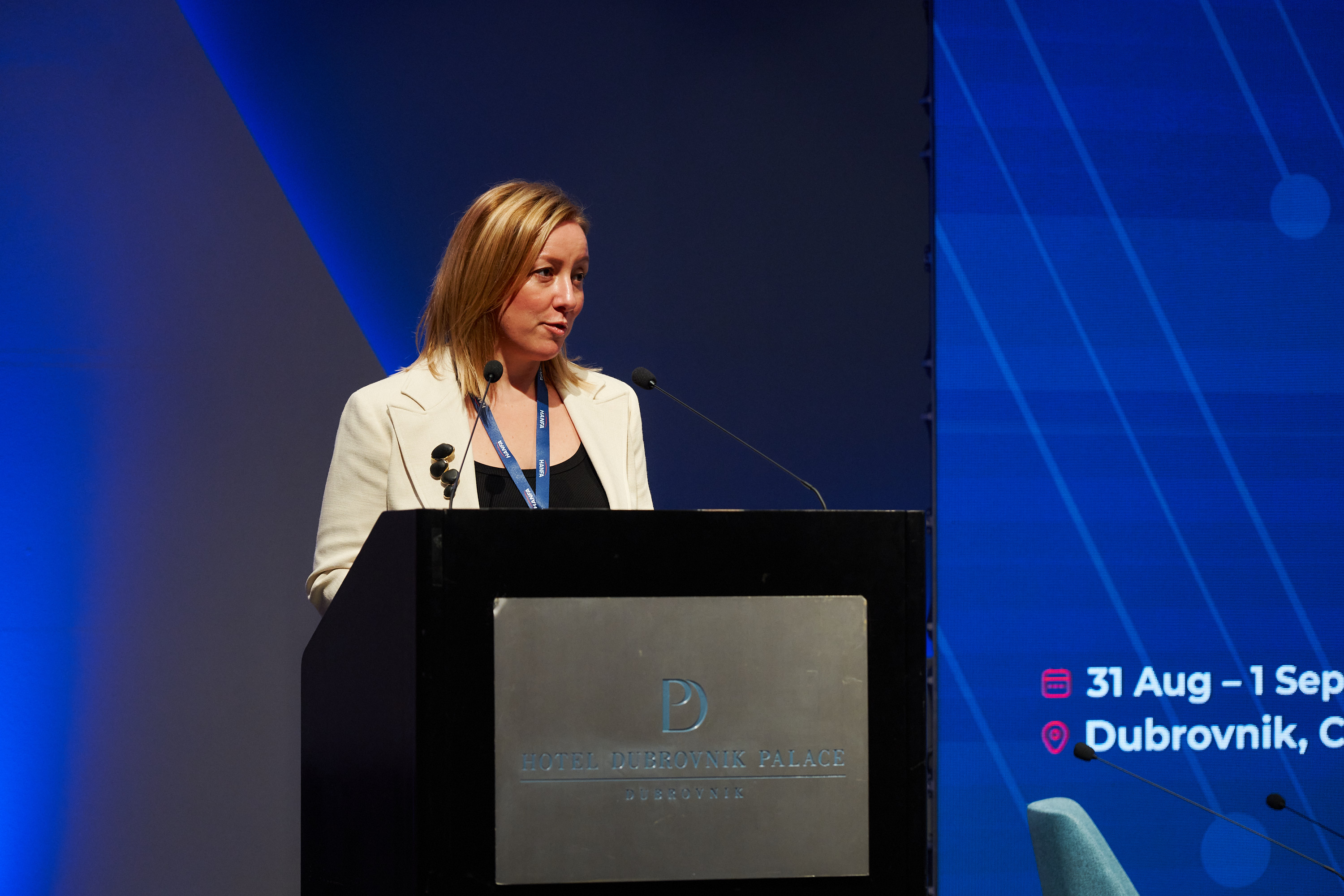
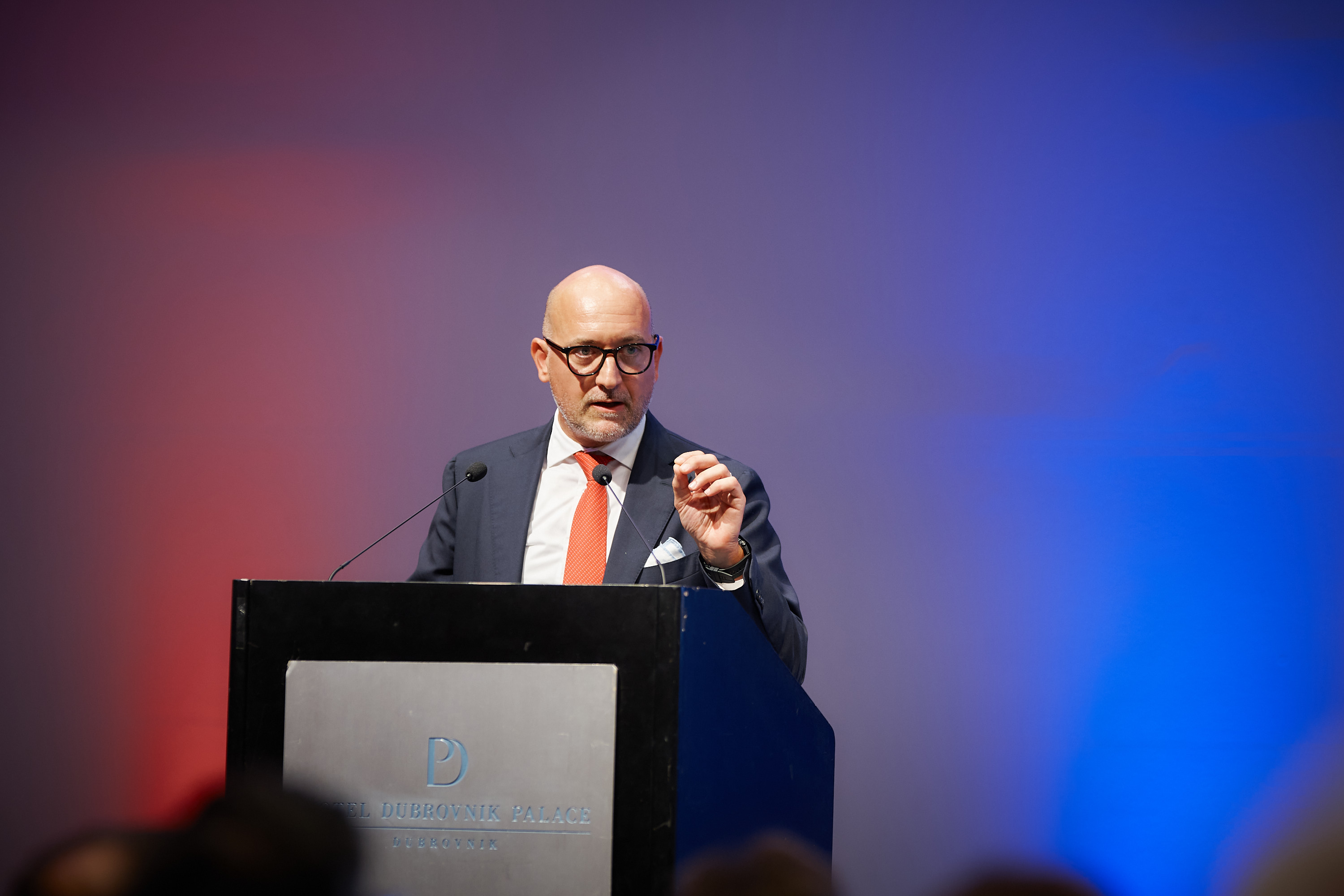
Martina Verić, Member of the Hanfa Board, highlighted that this is a key moment for the future development of Europe's capital markets. “In the context of ongoing regulatory developments, technological progress and rising financing needs of the real economy, it is essential to engage in an open discussion about the kind of capital market we want to build over the next decade. Our shared challenge is to find the right balance between trust, stability and investor protection on the one hand, and the need to foster innovation, competitiveness and economic growth on the other. Stronger and more efficient capital markets are not an end in themselves, but a tool for stimulating investment, increasing productivity and strengthening the prosperity of the European economy,” she said.
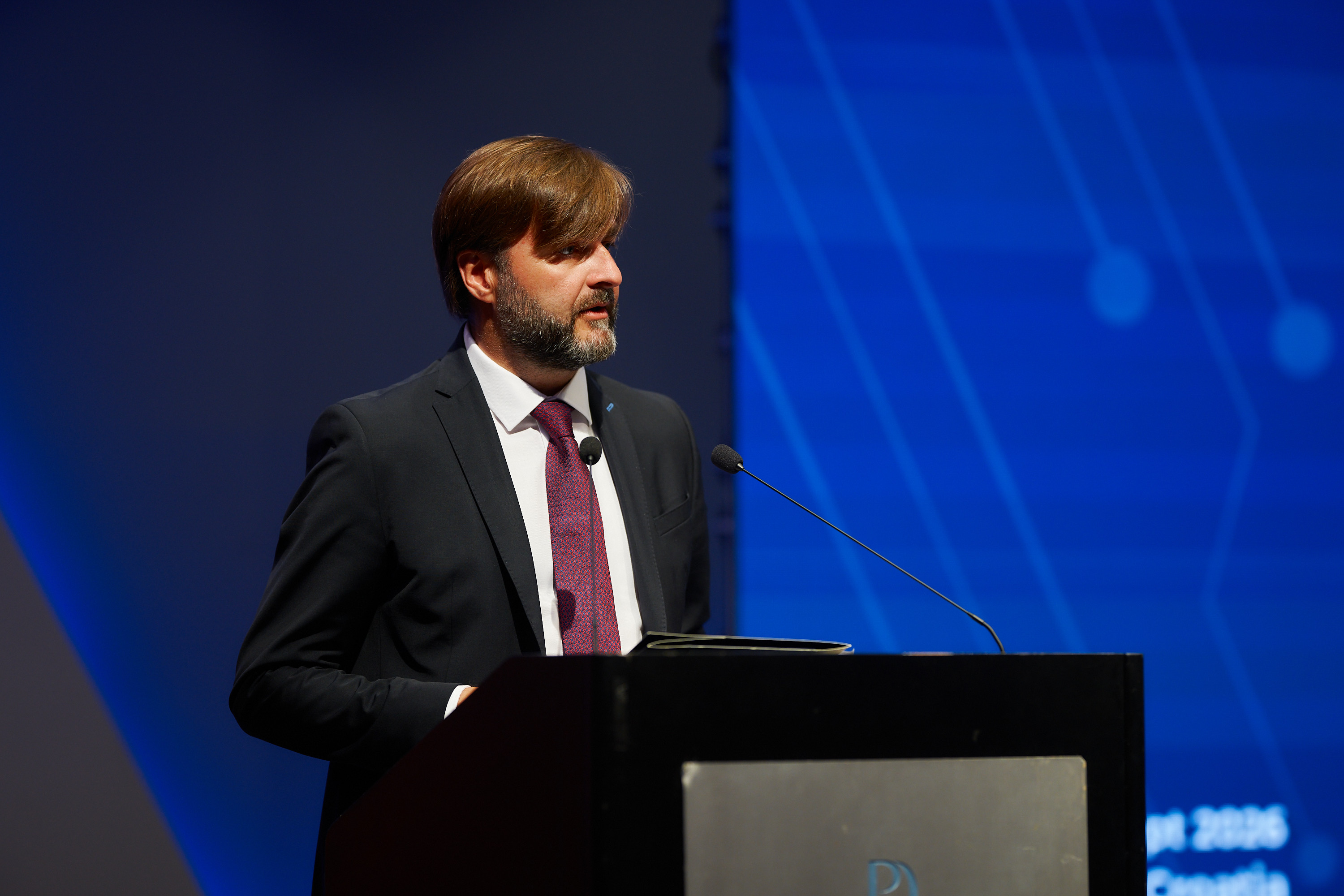
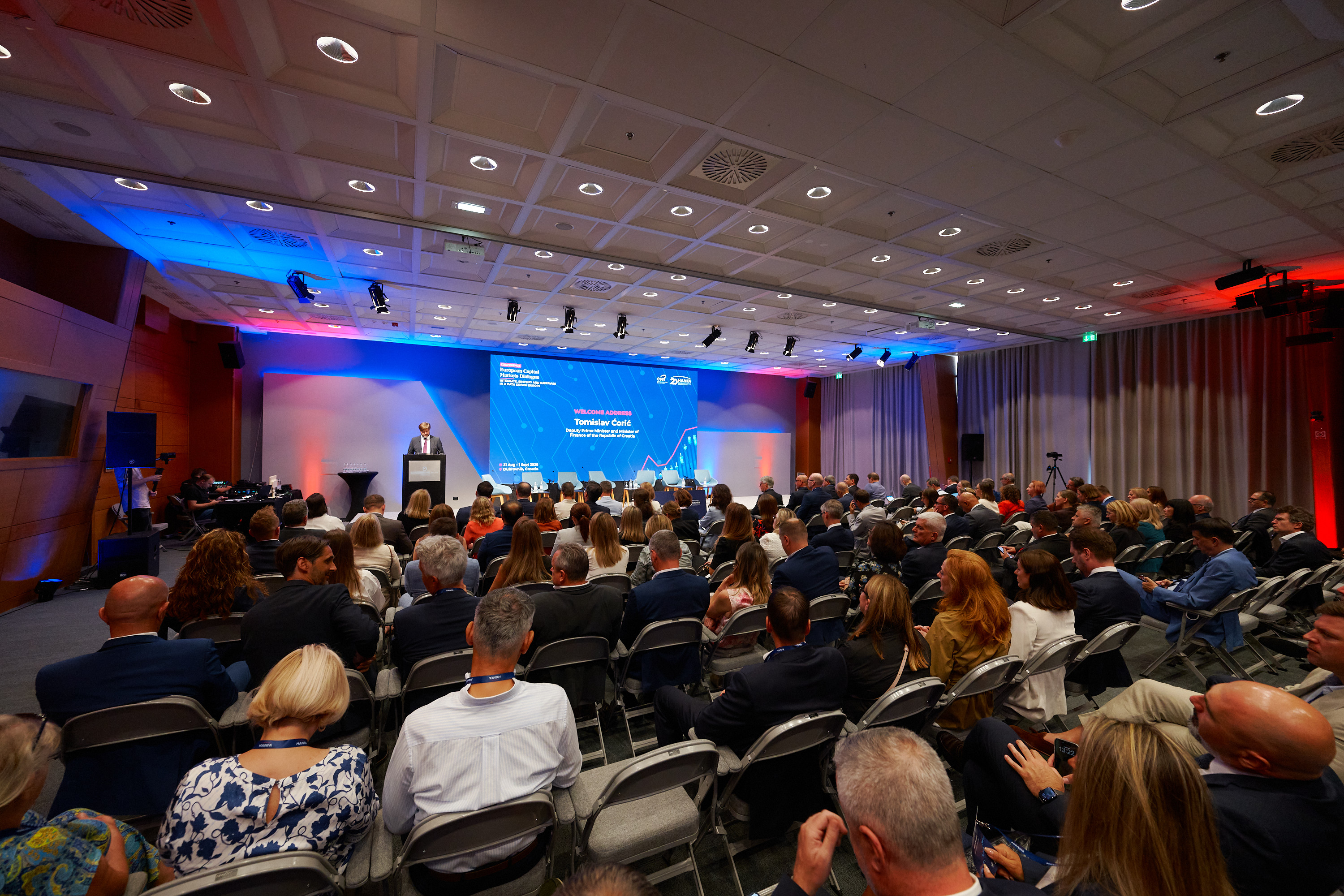
Speaking about the development of European capital markets, Tomislav Ćorić, Croatia’s Deputy Prime Minister and Minister of Finance, stressed the increasingly strong relationship between economic growth and capital market development. He noted that deeper capital markets channel savings towards productive investments, thereby enhancing productivity and economic growth, while stronger growth simultaneously boosts investor confidence and encourages further investment. “European households hold substantial financial assets; however, a large share of these savings continues to remain in cash and deposit accounts. If we want European savings to finance European growth, citizens must increasingly recognise capital market investing as an accessible, transparent and reliable way to build their long-term financial security,” the Minister stated.
In his address, the Governor of the Croatian National Bank, Ante Žigman, placed the main topics of the conference within a broader macroeconomic context and explained the changes and challenges facing the capital market, as well as their impact on regulators and the market in the period ahead. He emphasised the importance of stability as a prerequisite for enhancing the competitiveness of the European capital market, highlighting that particular attention should be paid to consumer protection, resilience and reduced fragmentation.
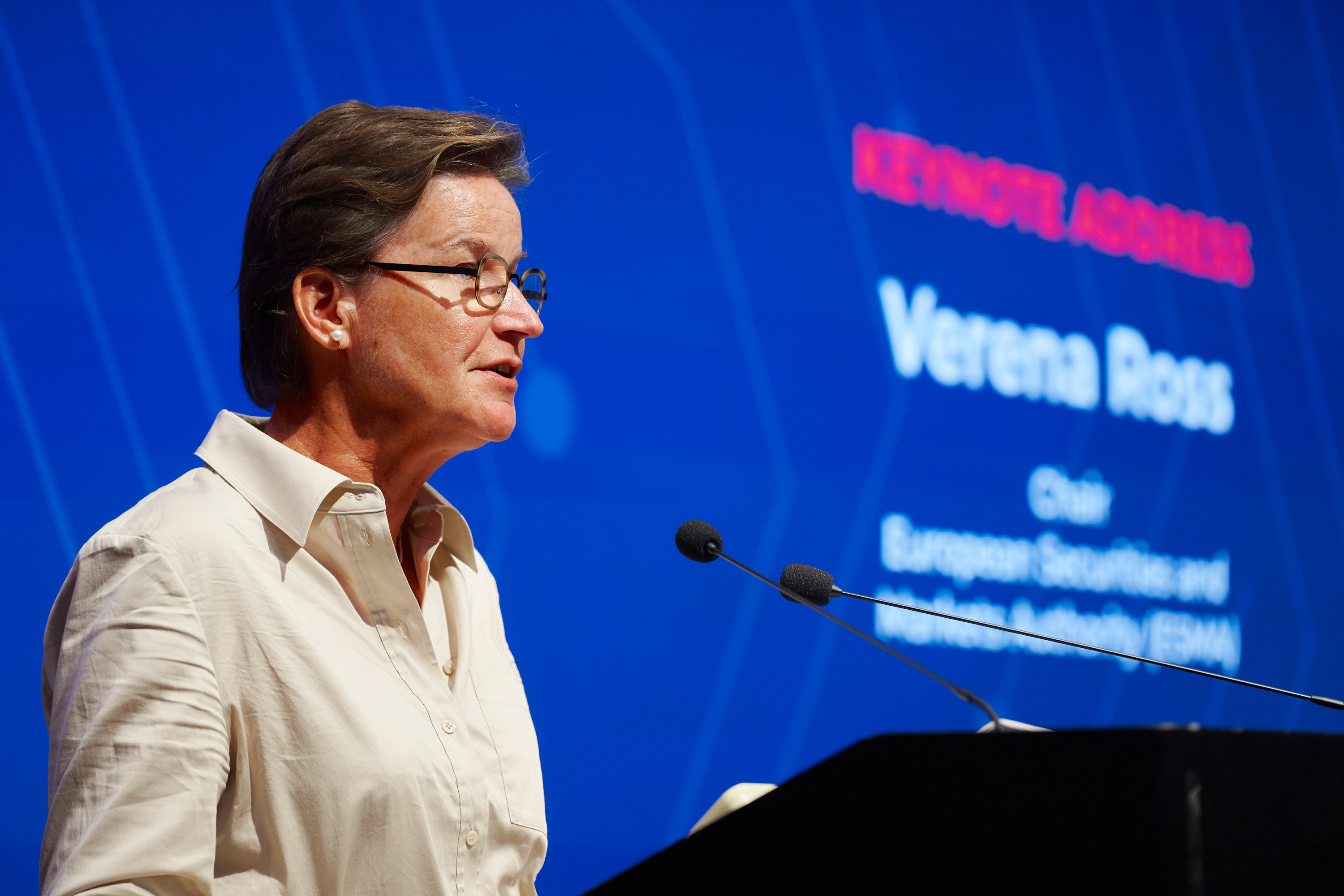
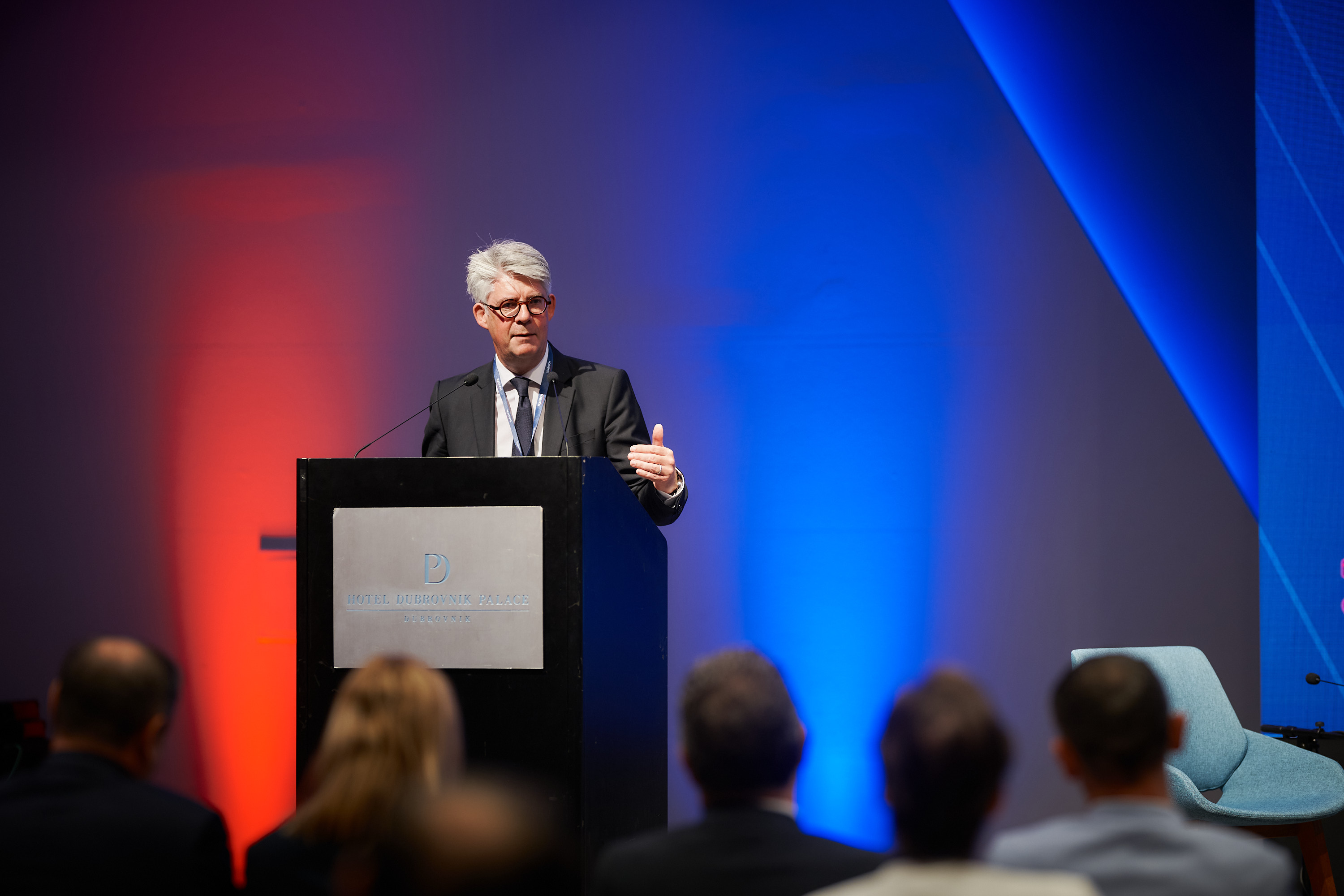
In her keynote address, Verena Ross, Chair of the European Securities and Markets Authority (ESMA), underscored the importance of further strengthening the European supervisory framework and cooperation among regulators. “Strengthening European capital markets in the interest of EU companies and investors needs to be underpinned by effective supervision. This conference provides an opportunity to reflect on the significant progress achieved in European capital markets supervision. Over the years, close cooperation between ESMA and national competent authorities has helped shape a genuinely European supervisory culture. This cooperation has produced tangible results, and looking ahead to 2030, we should continue to build supervision that is more integrated, more data-driven and more outcome-oriented to support strong and competitive EU capital markets.”
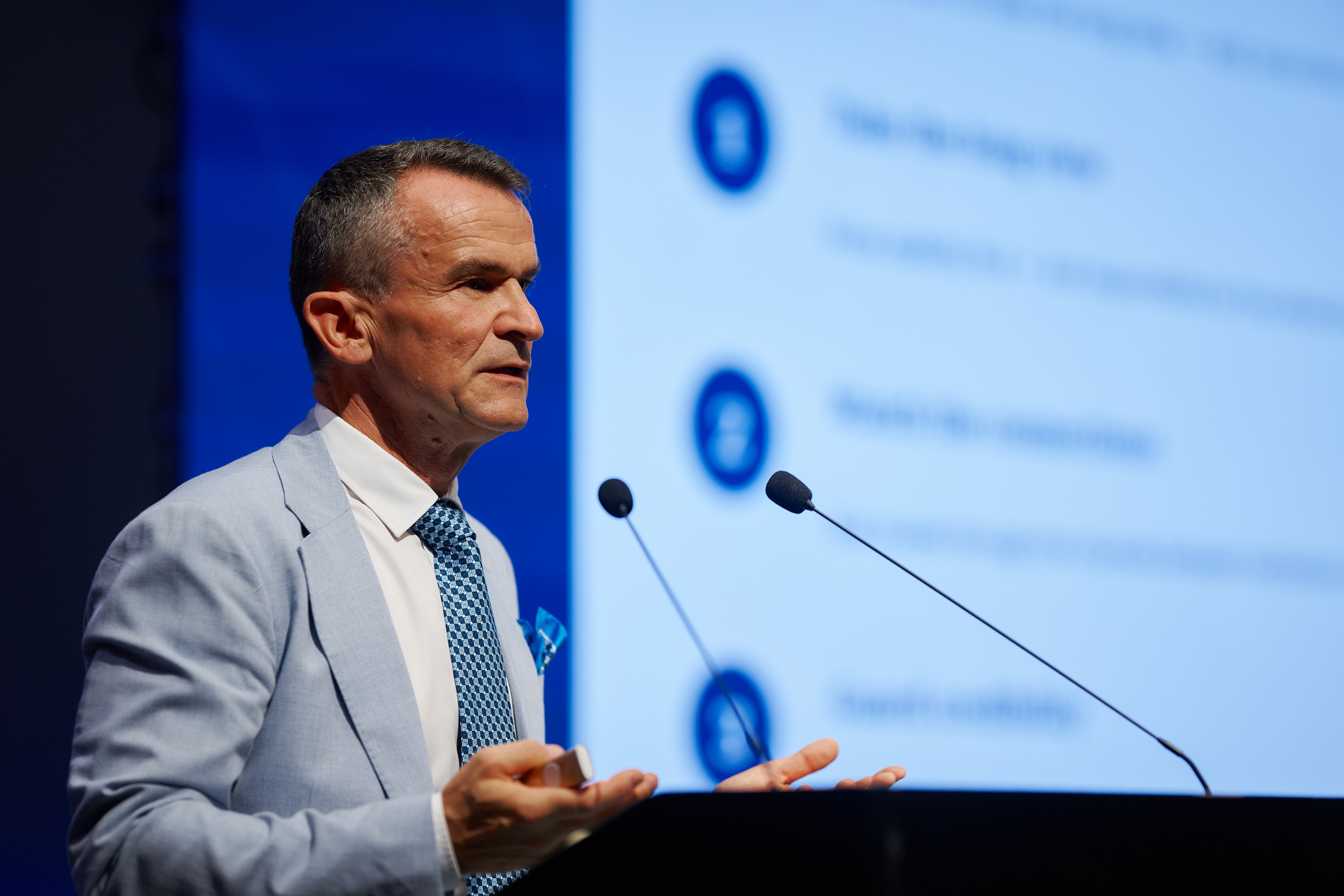
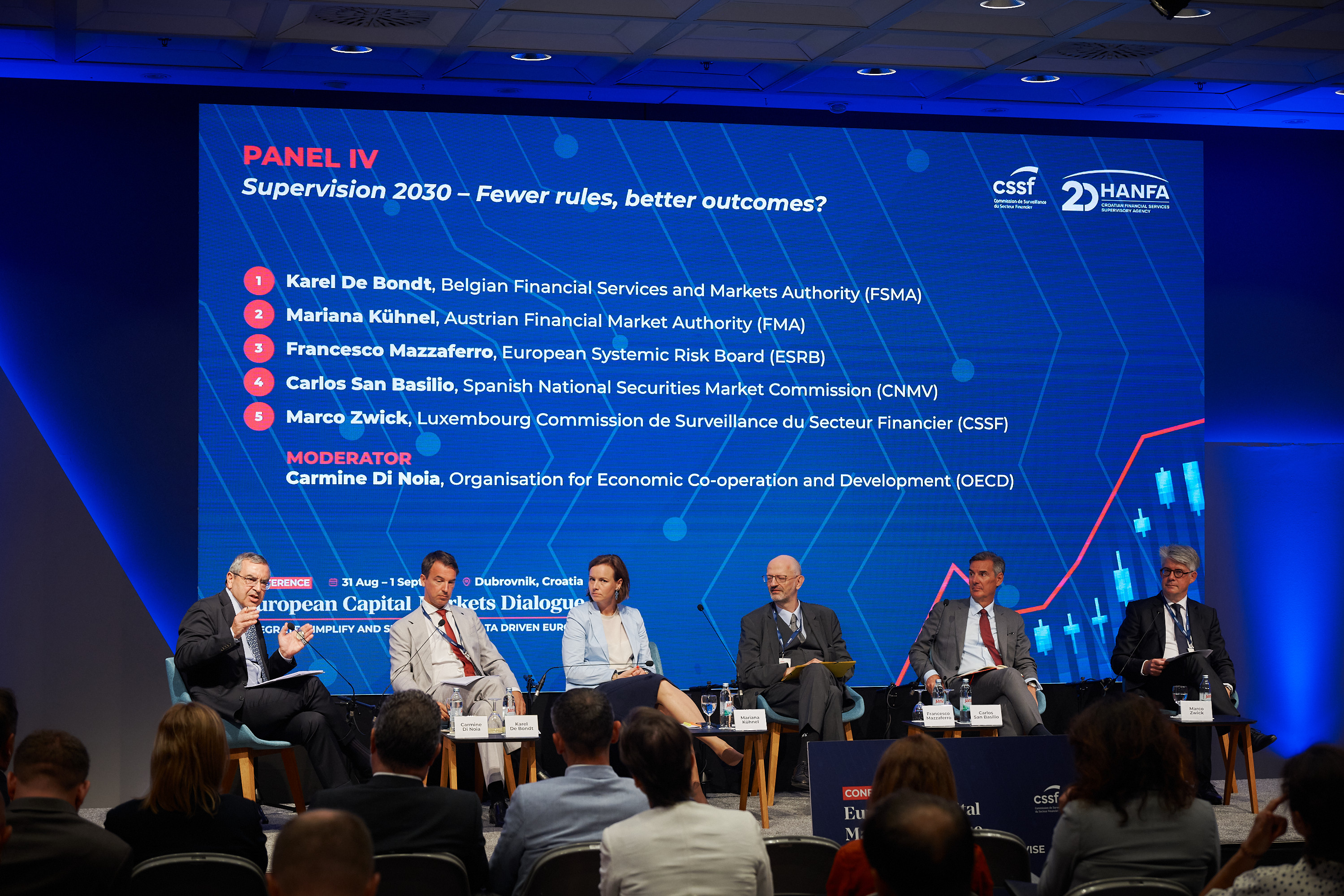
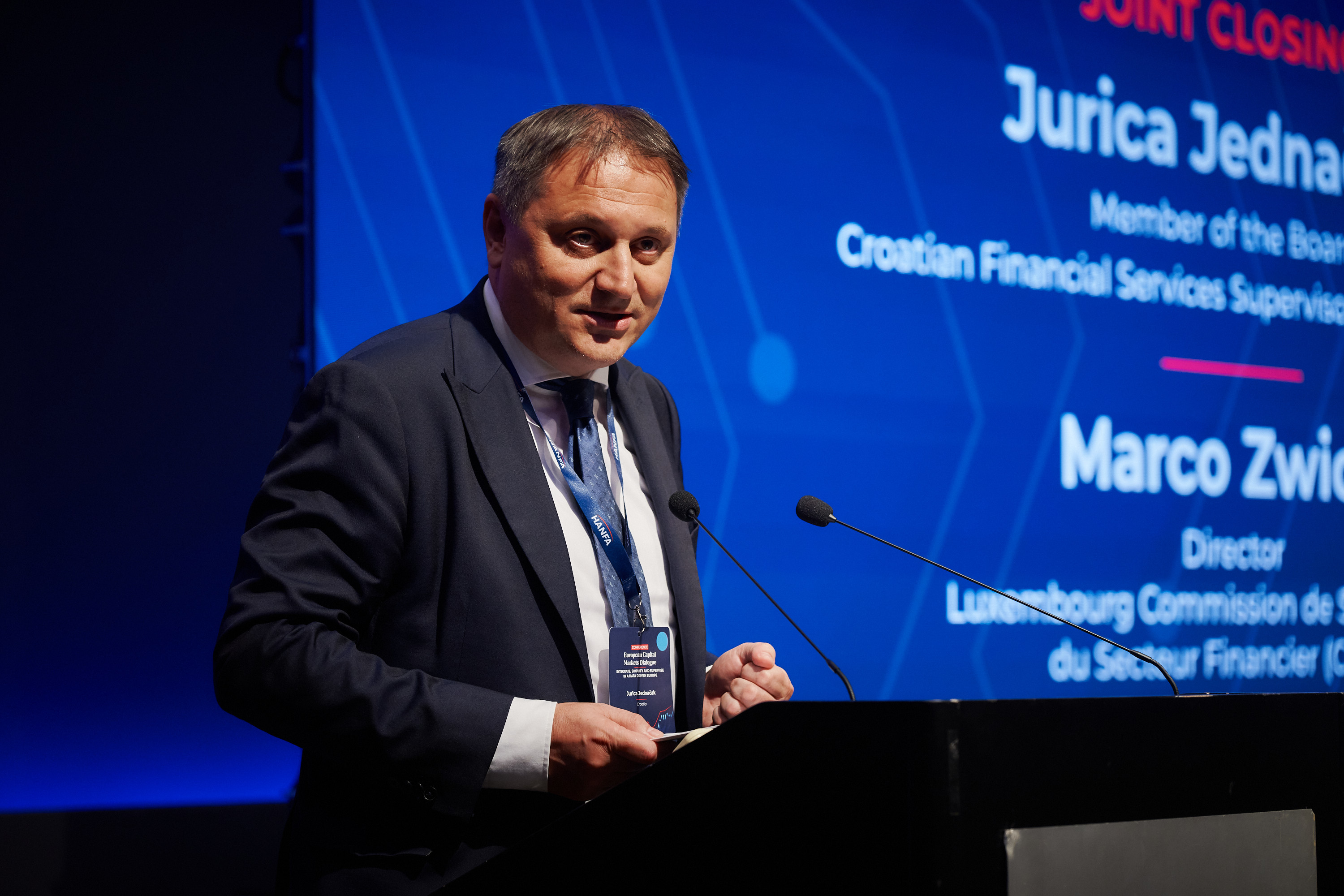
Marco Zwick, Member of the Executive Board of the CSSF, addressed the question of how to achieve better outcomes with fewer rules, stressing the need to further streamline and adjust the current regulatory framework, ensure proportionality in supervision and enforcement, and fully implement a risk-based approach. He highlighted data-driven supervision, the use of new technologies and a more integrated reporting framework as key drivers in achieving this objective.
In his keynote address, Andrea Gentilini, Head of Market Infrastructure Division at the CSSF, underlined that simpler and clearer rules, together with consistent and convergent supervision, are key to strengthening the EU capital market and to reducing the burden, costs and complexities faced by national competent authorities, market players and investors.
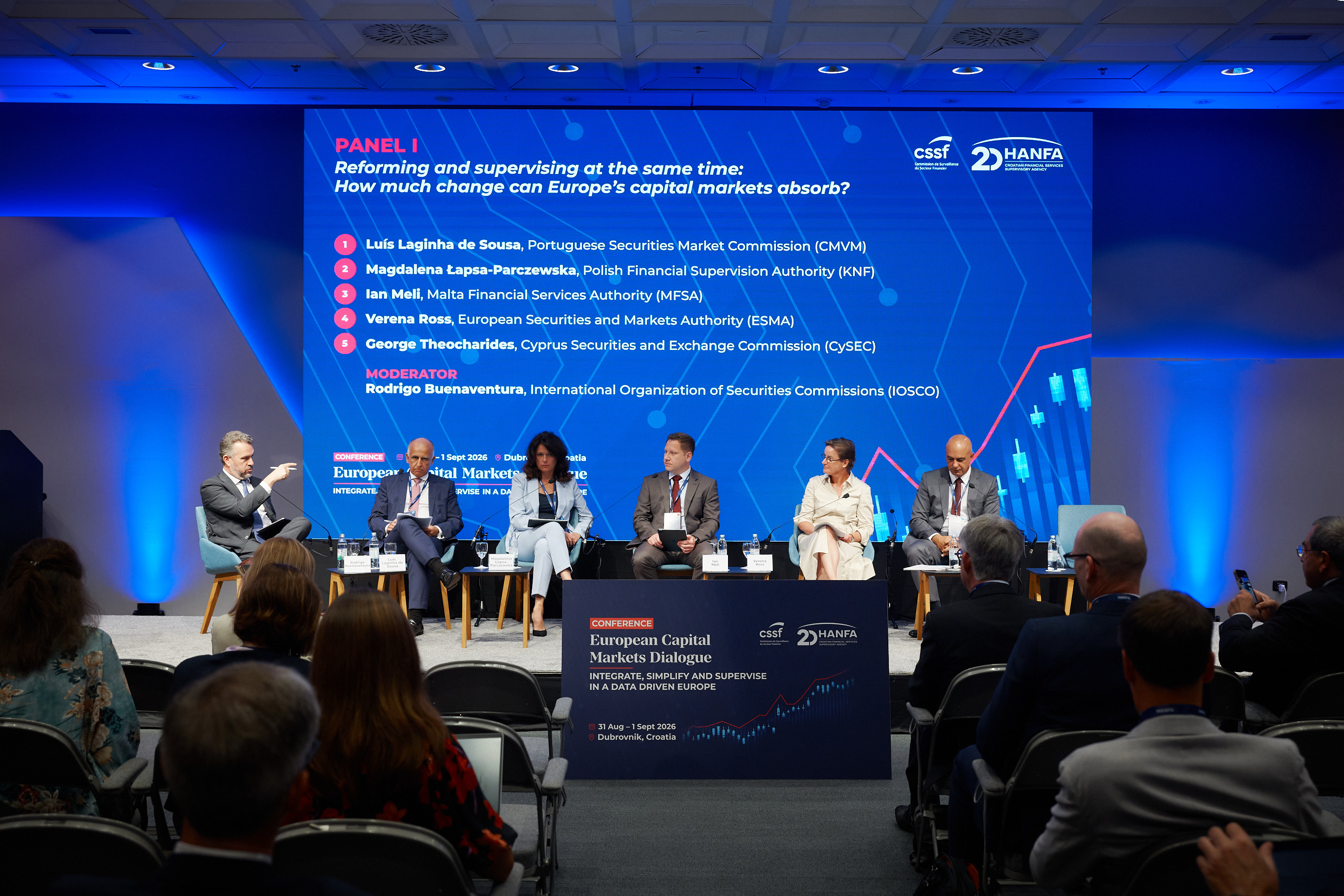
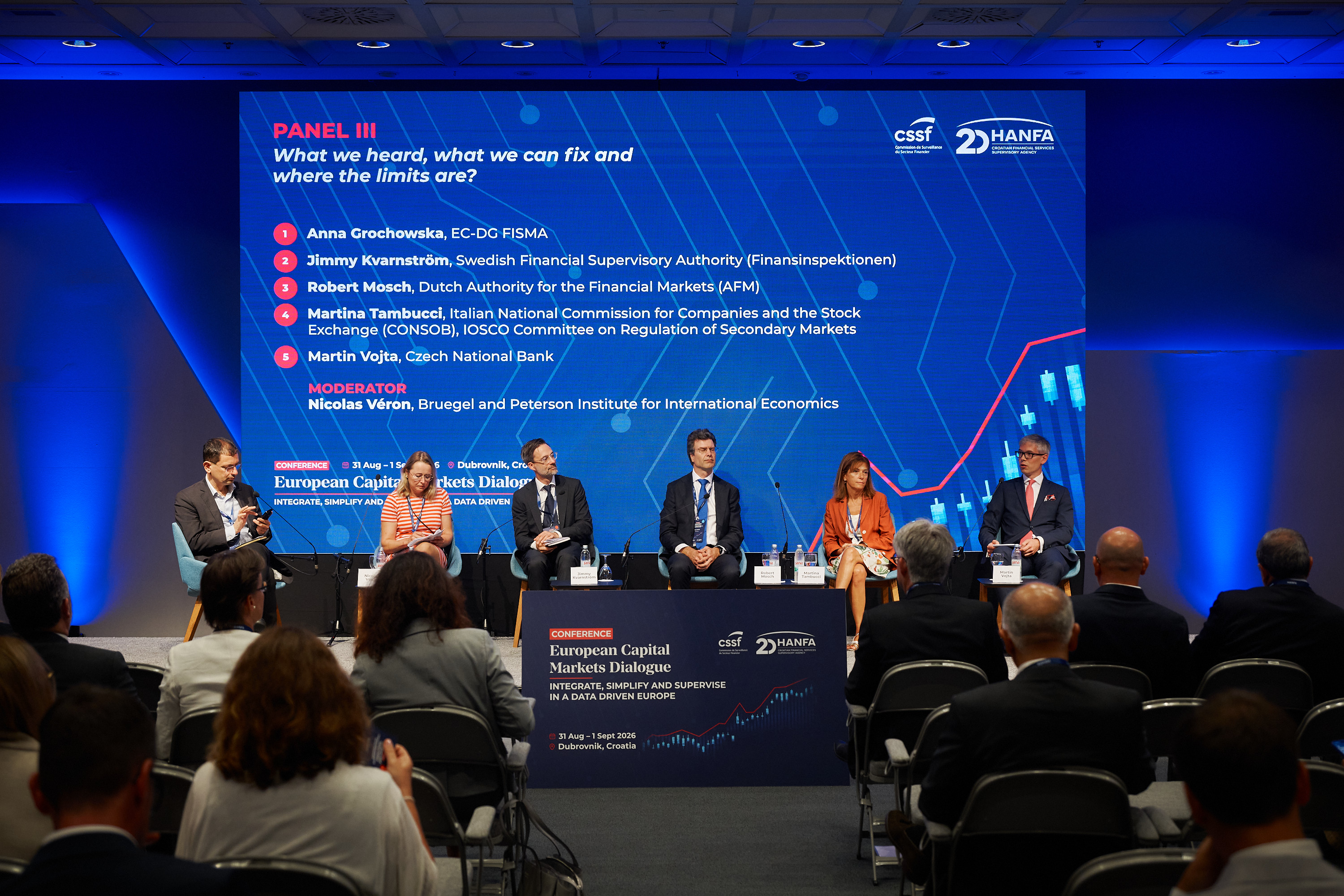
The central theme of the first day of the conference was the impact of current regulatory and supervisory initiatives on European capital markets. The participants discussed the effects of a range of legislative and regulatory packages, including the Retail Investment Strategy (RIS), the Market Integration and Supervision Package (MISP), the Digital Operational Resilience Act (DORA), and the development of artificial intelligence regulatory frameworks. Particular attention was devoted to the issues of proportionality and the sequencing of regulatory reforms, as well as the role of data, which on the one hand enables more effective supervision while on the other may represent an additional administrative burden for market participants.
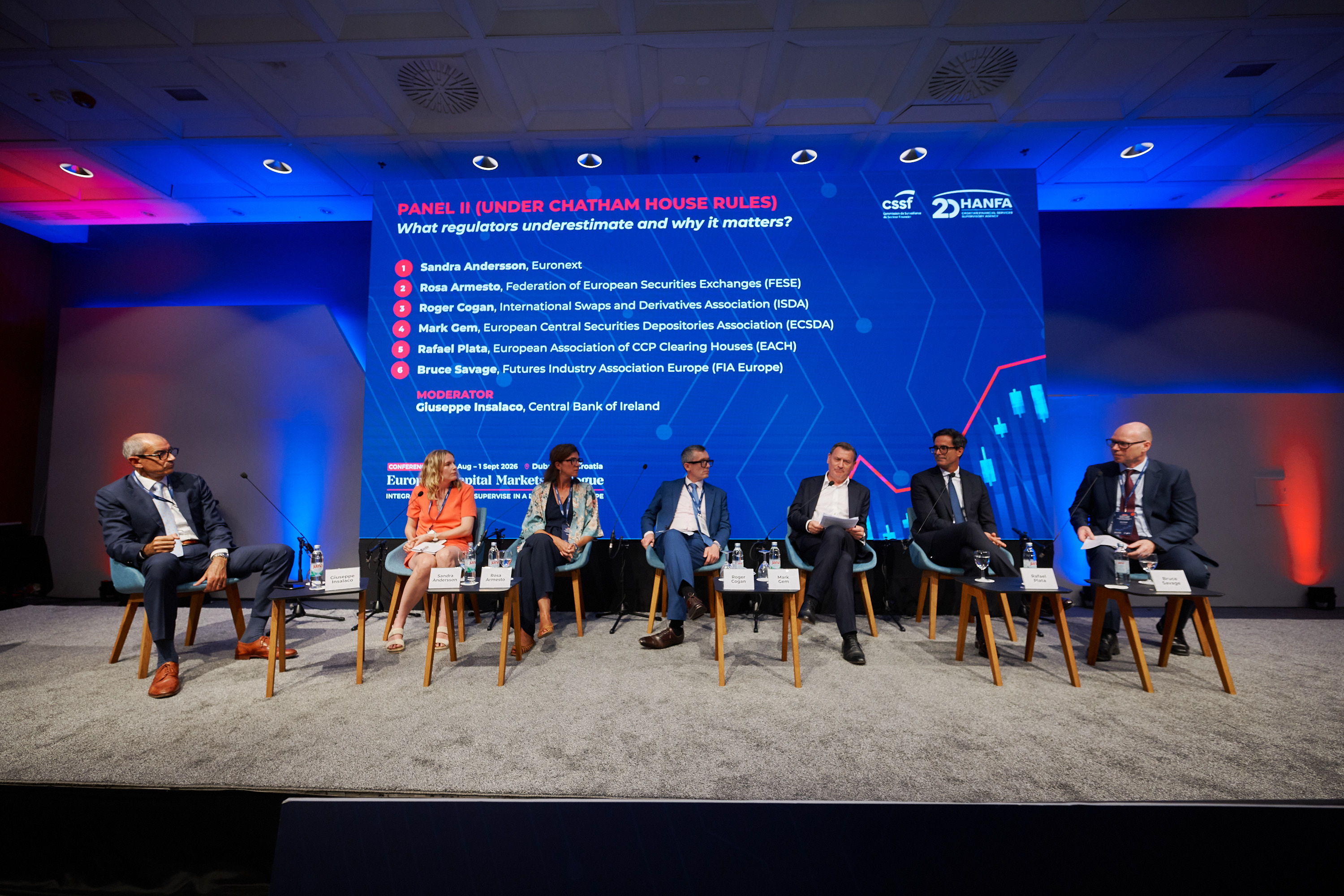
The conference also provided an opportunity for an open dialogue with industry representatives regarding the challenges currently faced by market participants. The discussion highlighted the importance of continuous cooperation between regulators and industry in ensuring a regulatory framework that safeguards market stability, but also supports its development, competitiveness and innovation.
Discussions on the second day focused on the further development of the European regulatory framework, strengthening the integration and competitiveness of capital markets, and the future of supervision in an increasingly digital environment. The participants explored which regulatory and market measures could be effectively implemented at the European level to further promote market integration and enhance market efficiency. The discussions also highlighted the importance of a proportionate regulatory approach, stronger cooperation between European and national supervisory authorities, and the growing role of data and emerging technologies in supervisory processes.
The two-day conference provided a valuable platform for exchanging views and experiences on the development of European capital markets at a time of rapid technological change, increasing demands for regulatory simplification and a growing need for stronger integration of the European financial market. The participants emphasised the importance of close cooperation among regulators, European institutions and market participants in fostering a more resilient, competitive and efficient European capital market in the years ahead.