Hanfa brings together leading corporate governance experts and presents annual awards
Who truly governs a company: the management board, the supervisory board, shareholders, or investors? The answer is not clear-cut, but corporate governance today encompasses much more than the formal fulfilment of regulatory requirements. It is the foundation of responsible decision-making, effective risk management, and long-term value creation, and is increasingly becoming a key factor in corporate competitiveness and investor confidence.
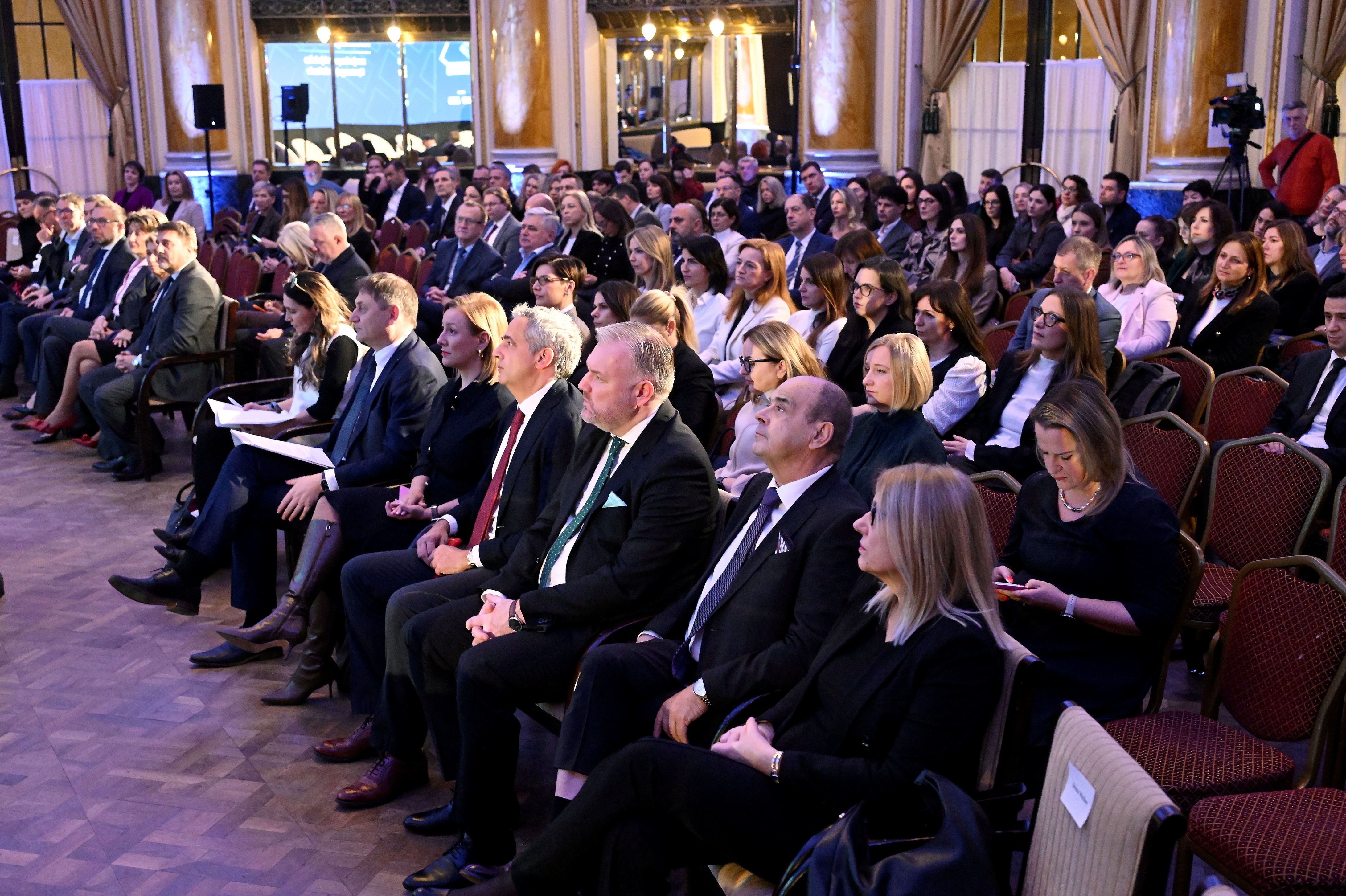
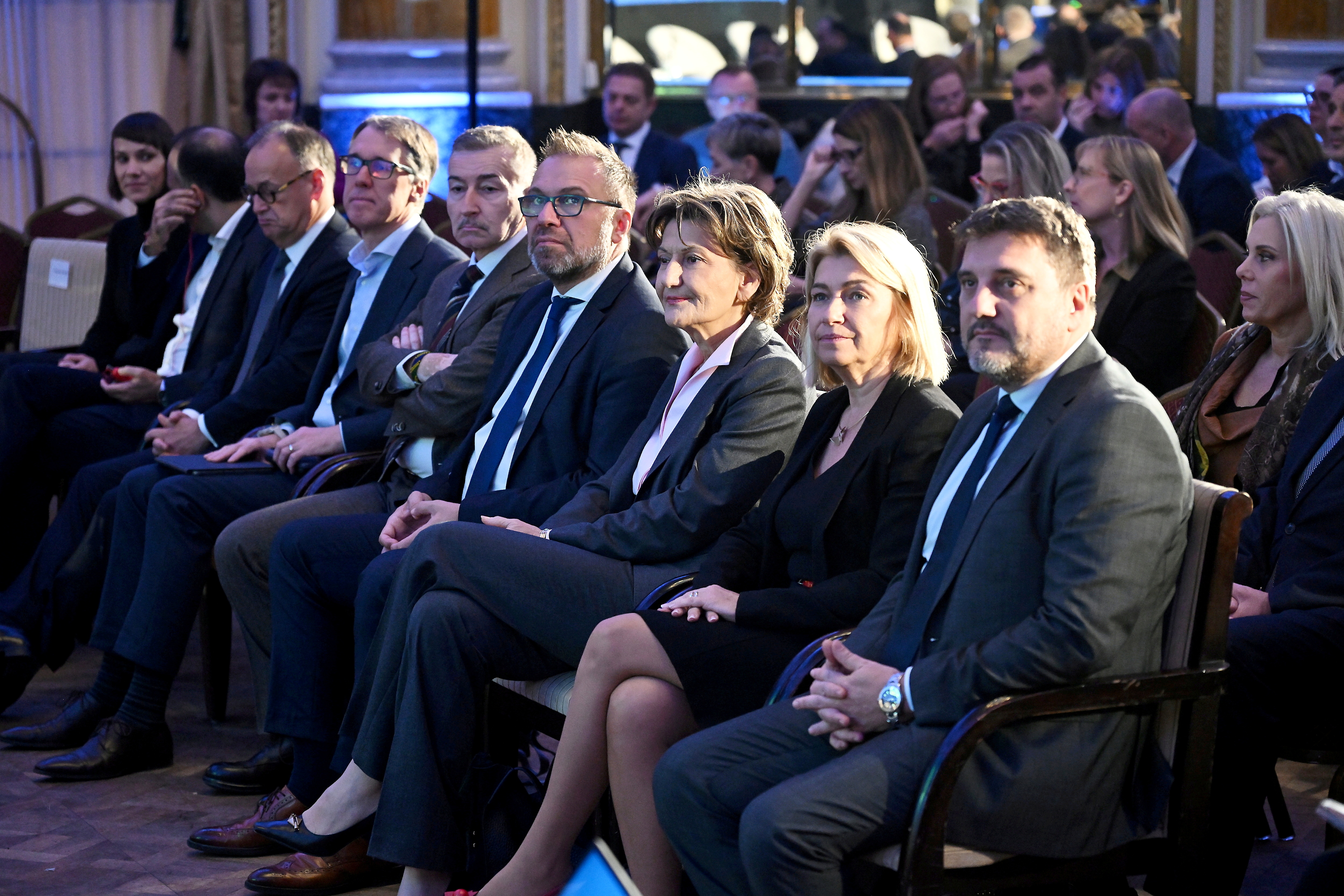
This was the central theme of this year's conference "Corporate Governance: Who Governs the Company?" jointly organised for the ninth time by Hanfa and Jutarnji list. The conference brought together representatives of leading Croatian companies, regulatory authorities, institutional investors, and corporate governance experts to discuss the role of management boards, supervisory boards, and shareholders in an increasingly complex business environment marked by technological change, geopolitical challenges, and growing investor expectations.
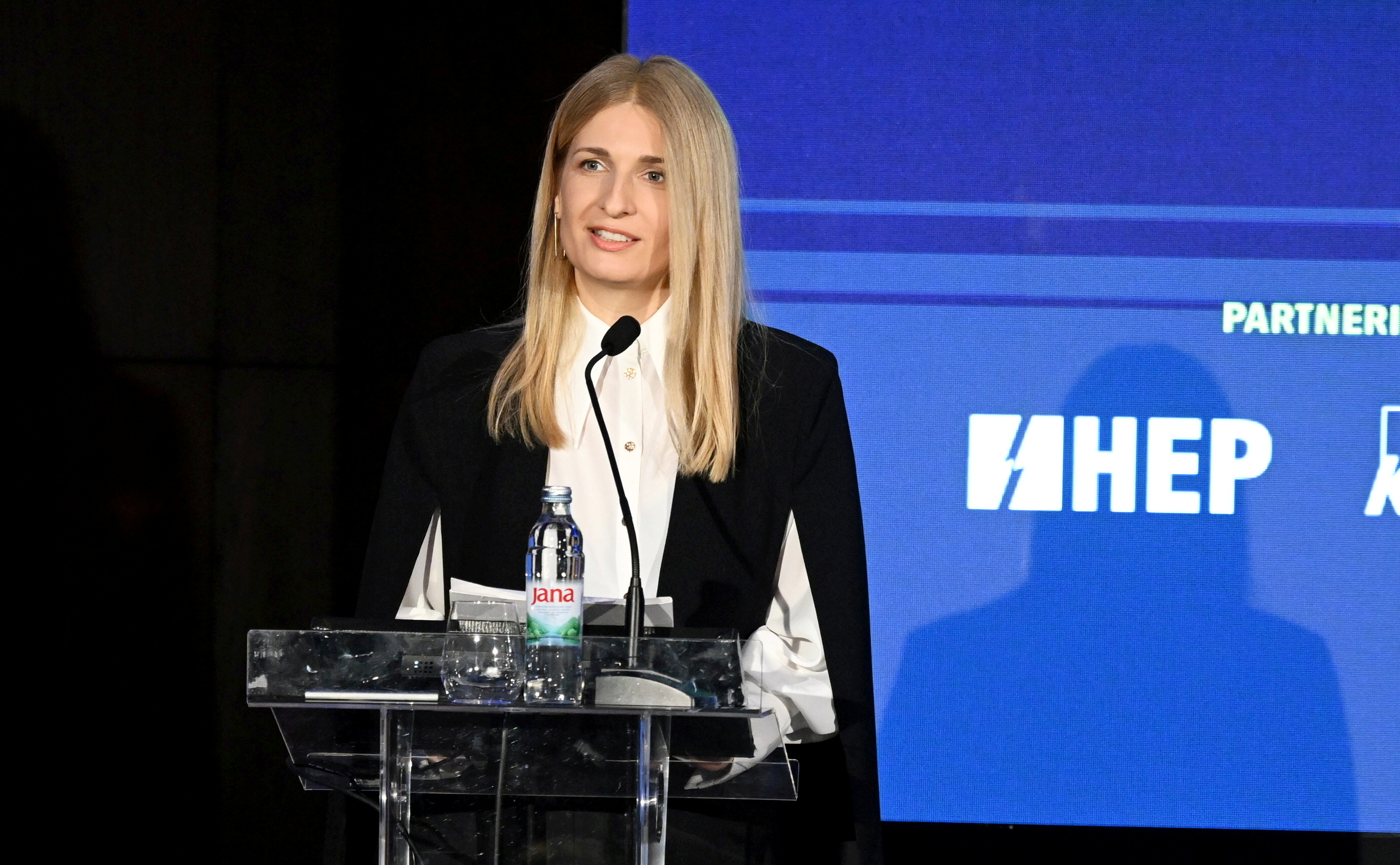
In her opening remarks, Anamarija Staničić, Deputy President of Hanfa's Board, emphasised that investors today no longer focus solely on financial indicators when making investment decisions, but place increasing importance on governance quality, business transparency, and companies' ability to manage risks. “Corporate governance is no longer merely a regulatory or administrative obligation. It is a tool for building trust, managing risks, and creating long-term value,” she concluded.
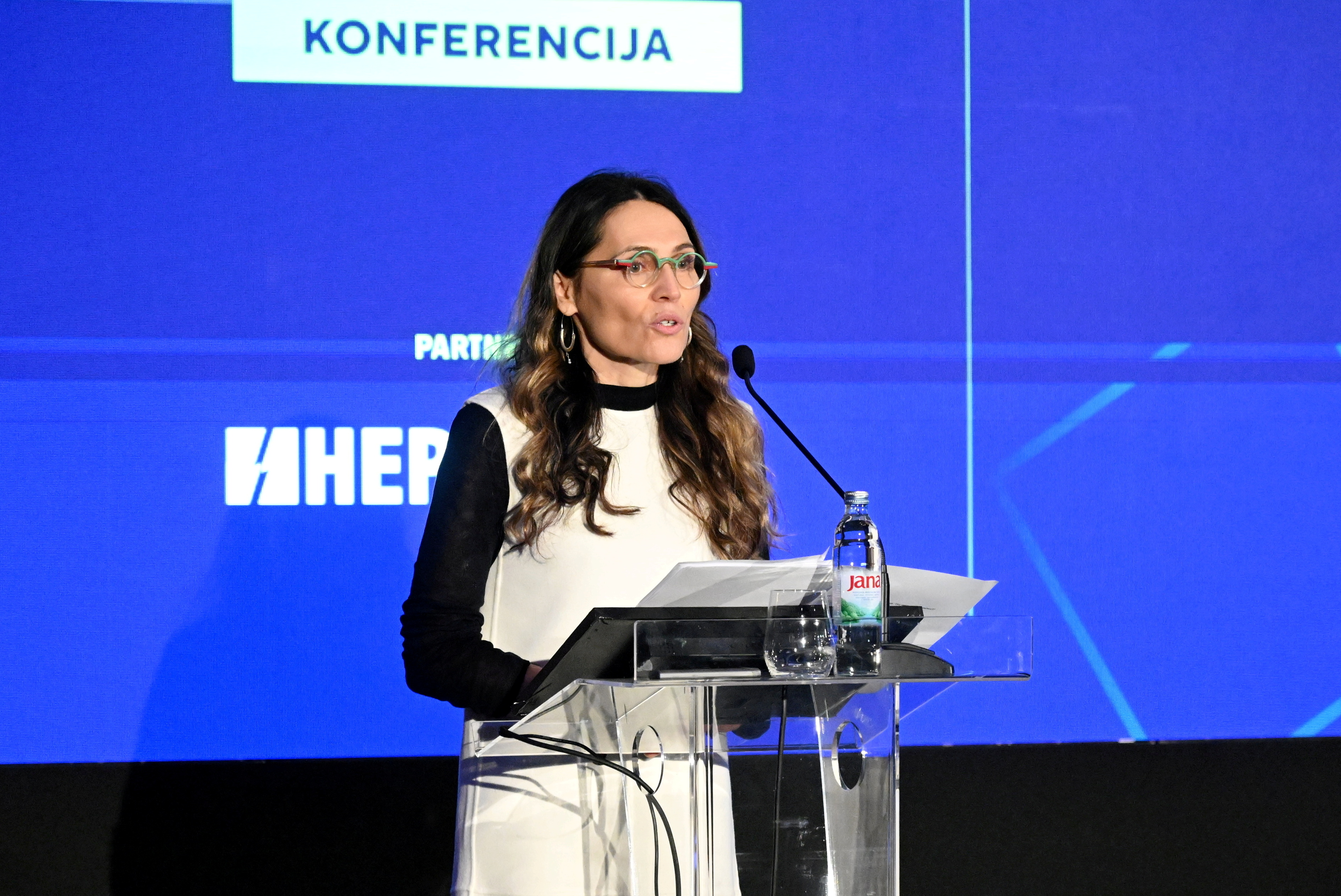
Tereza Rogić Lugarić, State Secretary at the Ministry of Finance, underlined the importance of high-quality corporate governance for economic development: “Effective corporate governance provides the basis for trust, stability, and long-term economic development. The reform of governance in state-owned enterprises is aimed at establishing a clear separation of roles between the state as owner, supervisory boards and management boards. The new OECD-aligned legislative framework strengthens professionalism, independence and transparency in governance and introduces higher standards of accountability and efficiency across the state portfolio. In doing so, we are sending a strong message to the entire economy.”
Results of the 2025 Annual Corporate Governance Report
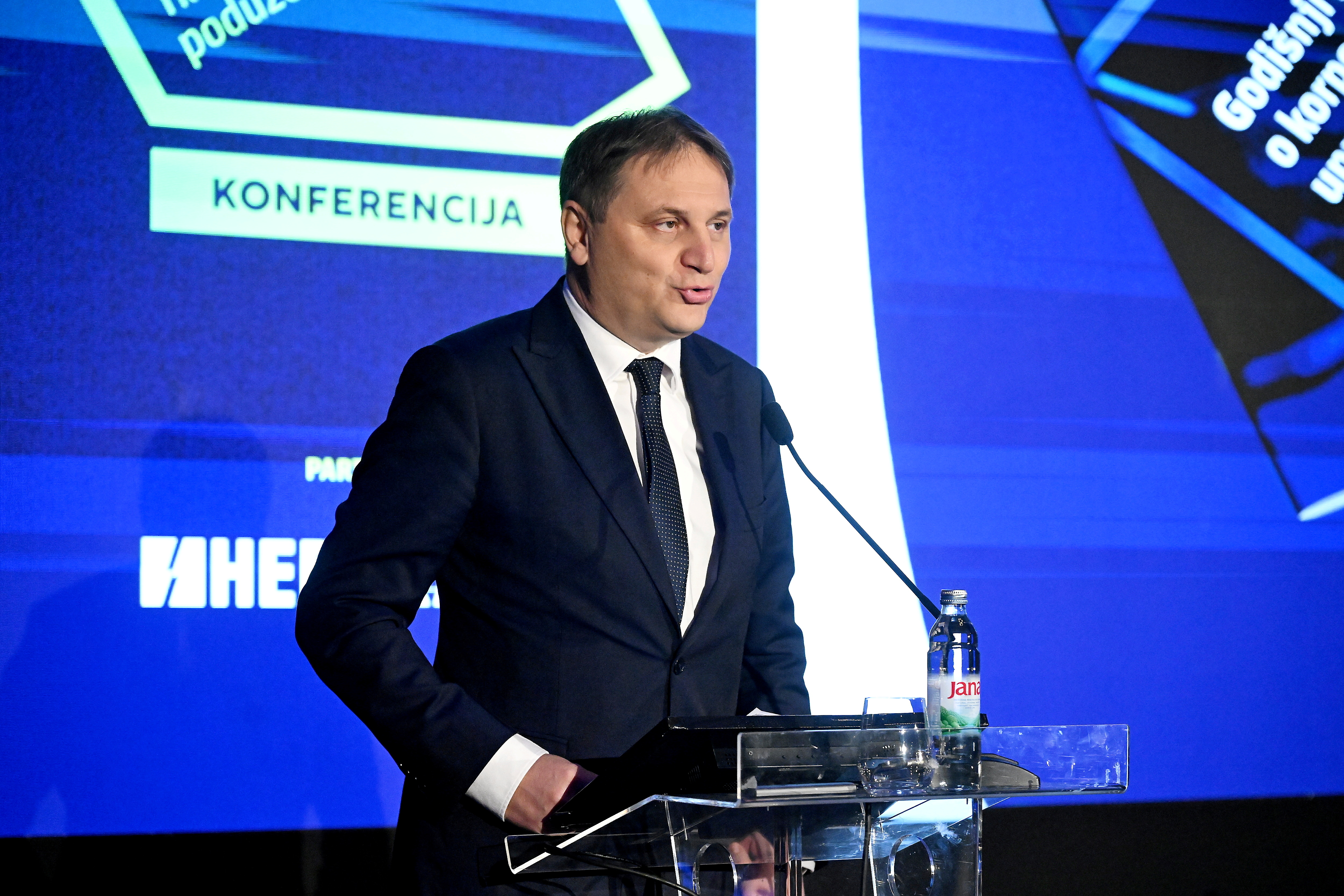
Presenting the results of the 2025 Annual Corporate Governance Report, Jurica Jednačak, Member of Hanfa's Board, noted that the Report provides, for the first time, an overview of corporate governance practices during the first year of implementation of the revised Corporate Governance Code. “The latest amendments to the Code have been aligned with regulatory developments at the European Union level, the G20/OECD Principles of Corporate Governance, and OECD recommendations for the Republic of Croatia, with particular emphasis on business transparency, supervisory board independence, the management of conflicts of interest, sustainability, and the digitalisation of corporate governance.”
The results show that listed companies achieve a relatively high level of compliance in traditional areas of corporate governance, particularly in leadership (76%), risk management, internal controls and audit (72%), and shareholder rights and general meetings (68%). At the same time, the main areas requiring further progress are the appointment of management and supervisory board members, as well as sustainability and business resilience.
Positive developments can also be observed in the work of supervisory boards and in companies' corporate cultures. An increasing number of issuers have established key supervisory board committees and formal whistleblowing mechanisms. A gradual rise in female representation on management and supervisory boards has also been recorded. Between 2020 and 2025, the share of women on supervisory boards increased from 21% to 27%, while their share on management boards rose from 15% to 20%. At the same time, sustainability, human capital management, and cyber resilience have become increasingly prominent areas of corporate governance.
The full 2025 Annual Corporate Governance Report in Croatian is available here.
Awards presented to companies with the highest corporate governance standards
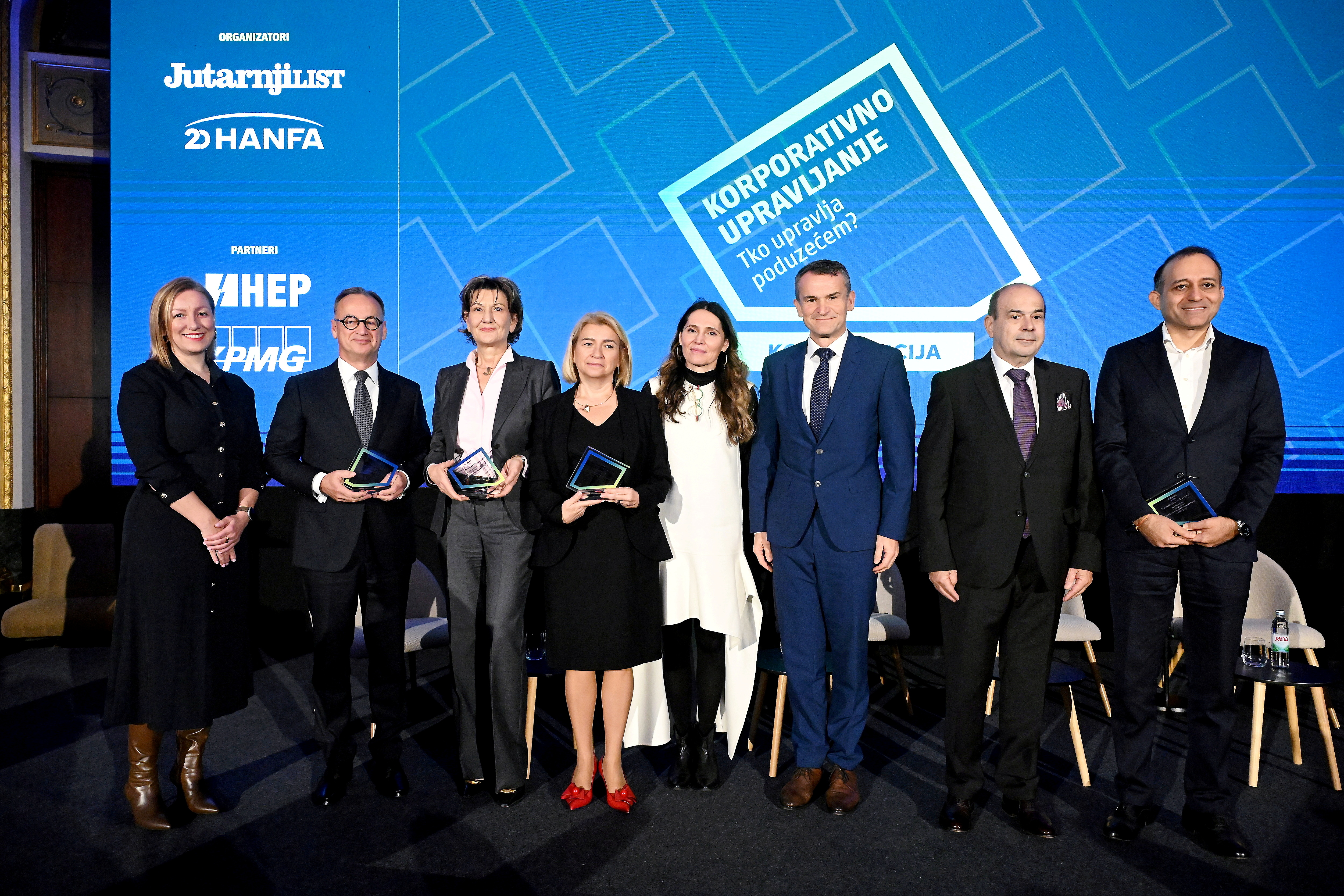
Based on the results of the 2025 Annual Corporate Governance Report, awards were presented to companies that achieved the highest level of compliance with the Corporate Governance Code.
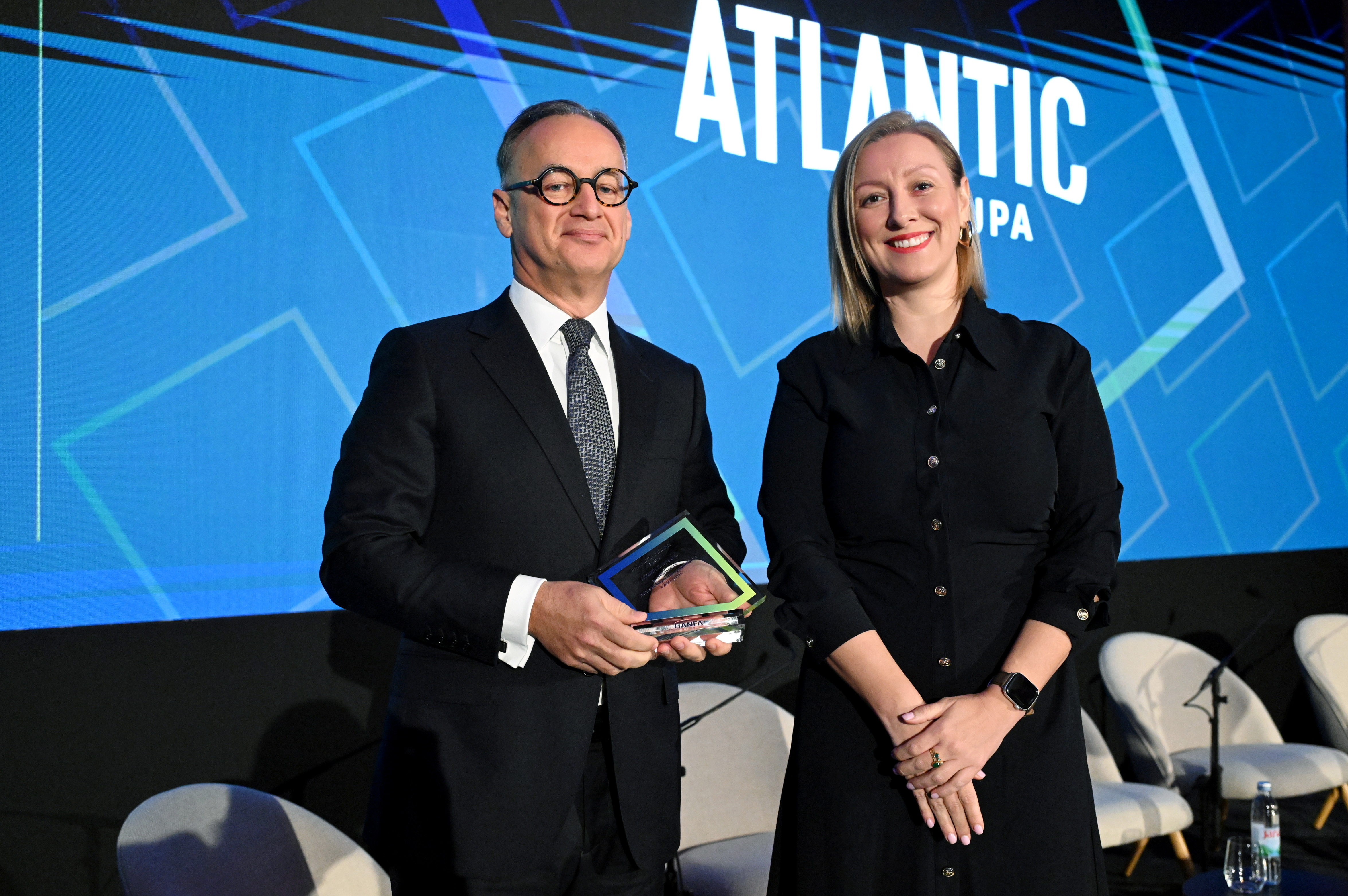
Atlantic Grupa d.d. was named the highest-rated company among all issuers and received a special award for excellence. Following Atlantic Grupa, the highest-ranked companies were:
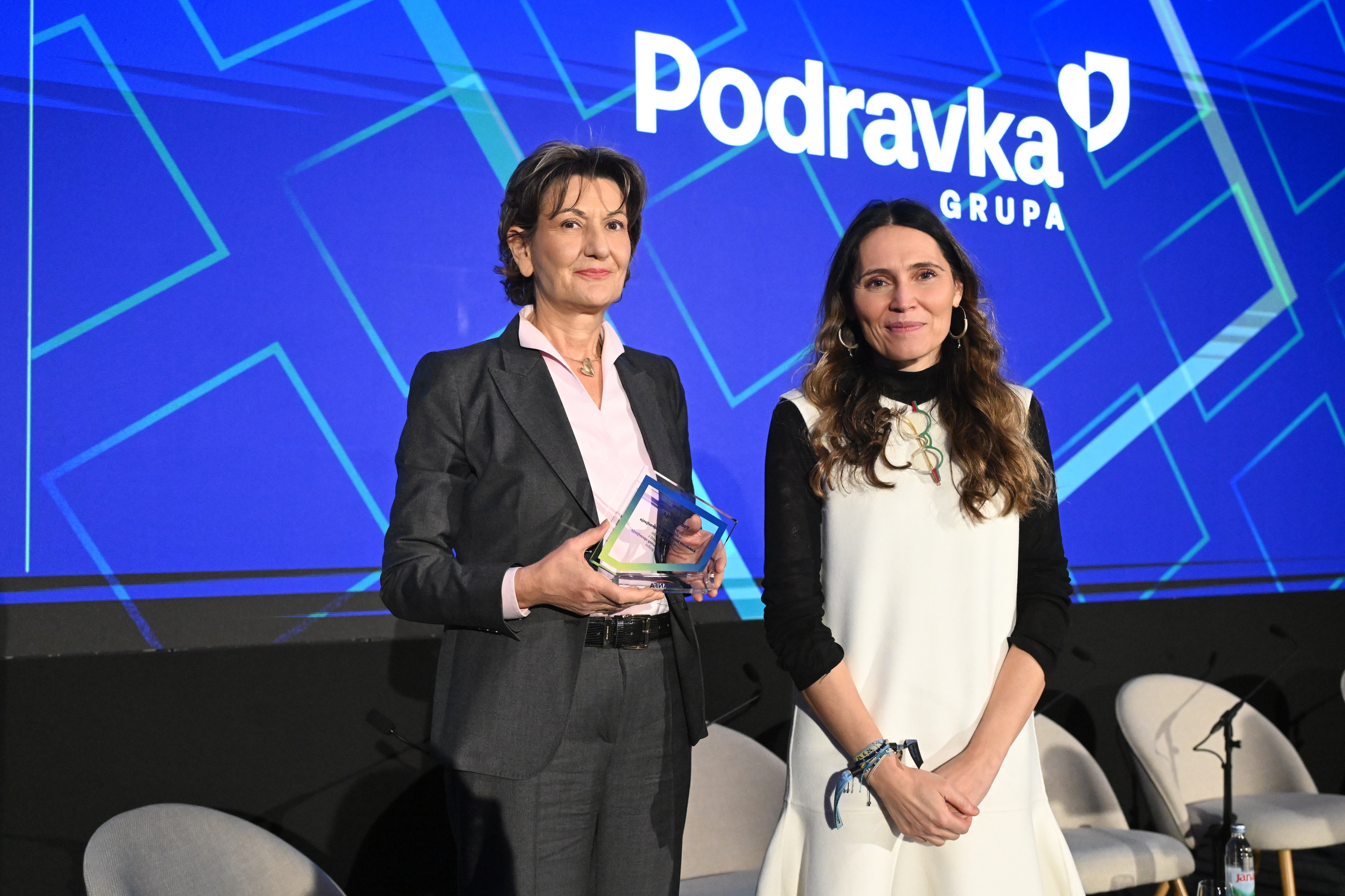
1st place – Podravka d.d.
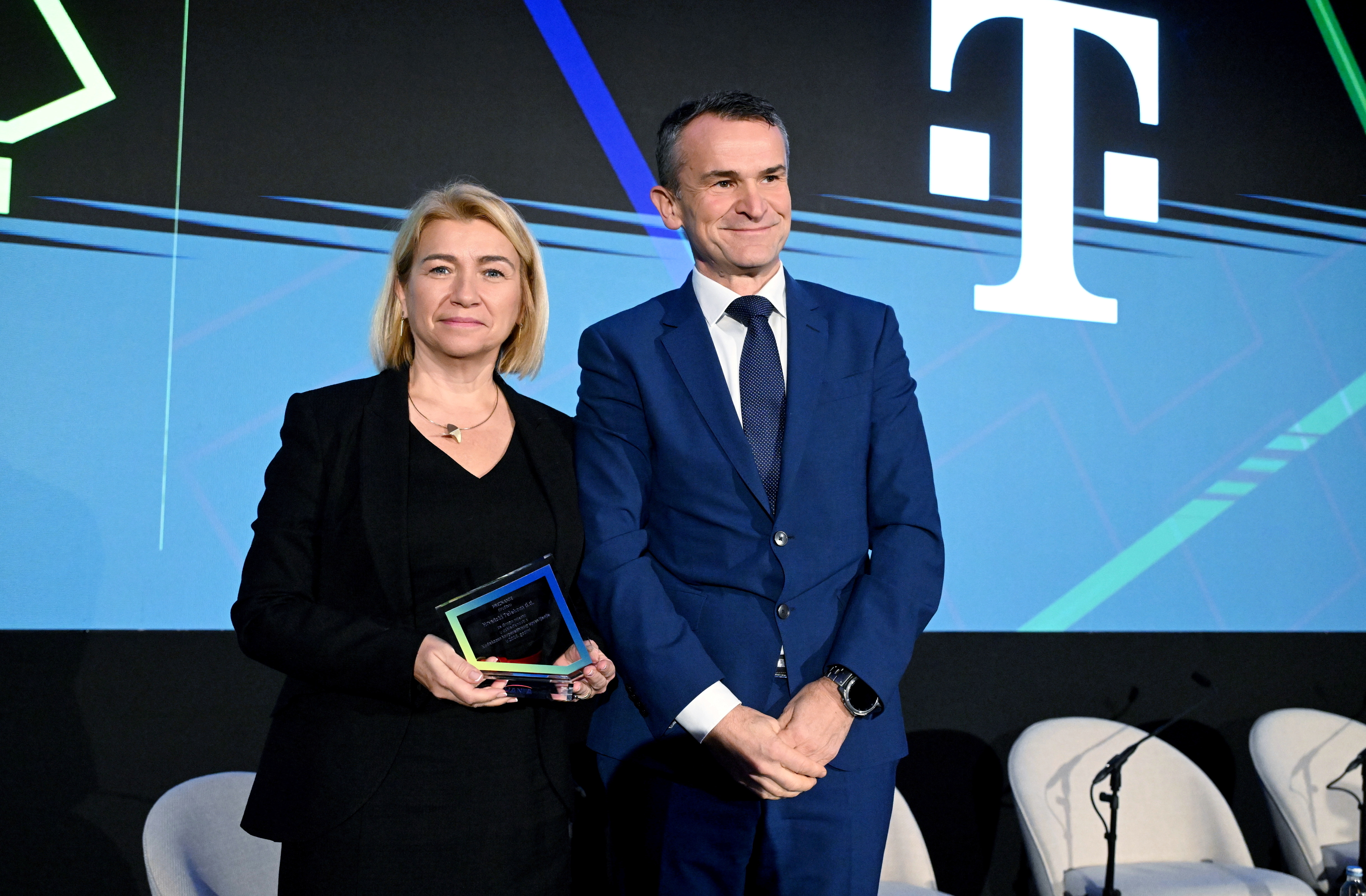
2nd place – Hrvatski Telekom d.d.
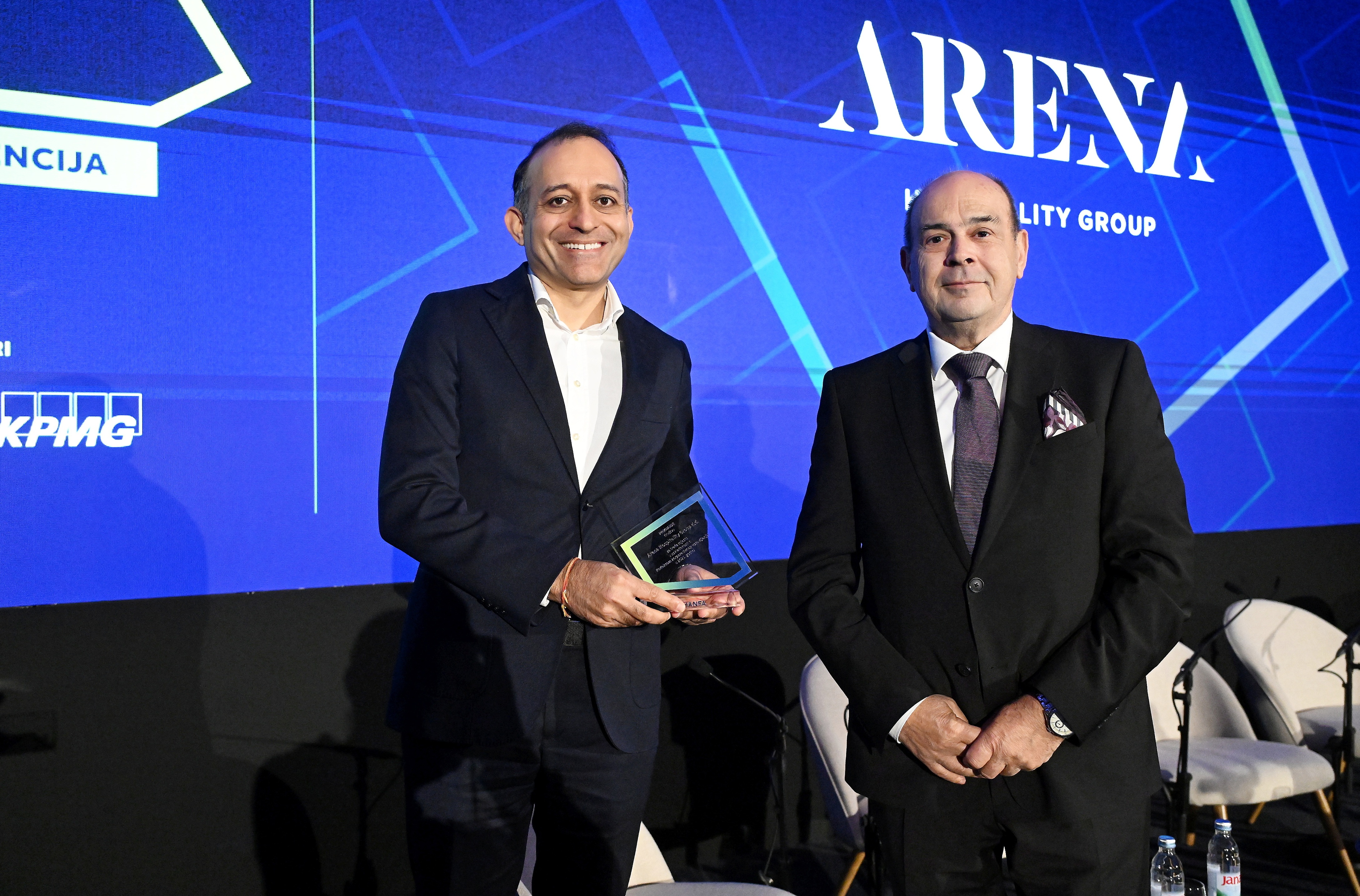
3rd place – Arena Hospitality Group d.d.
Institutional investors: Active owners or silent observers?
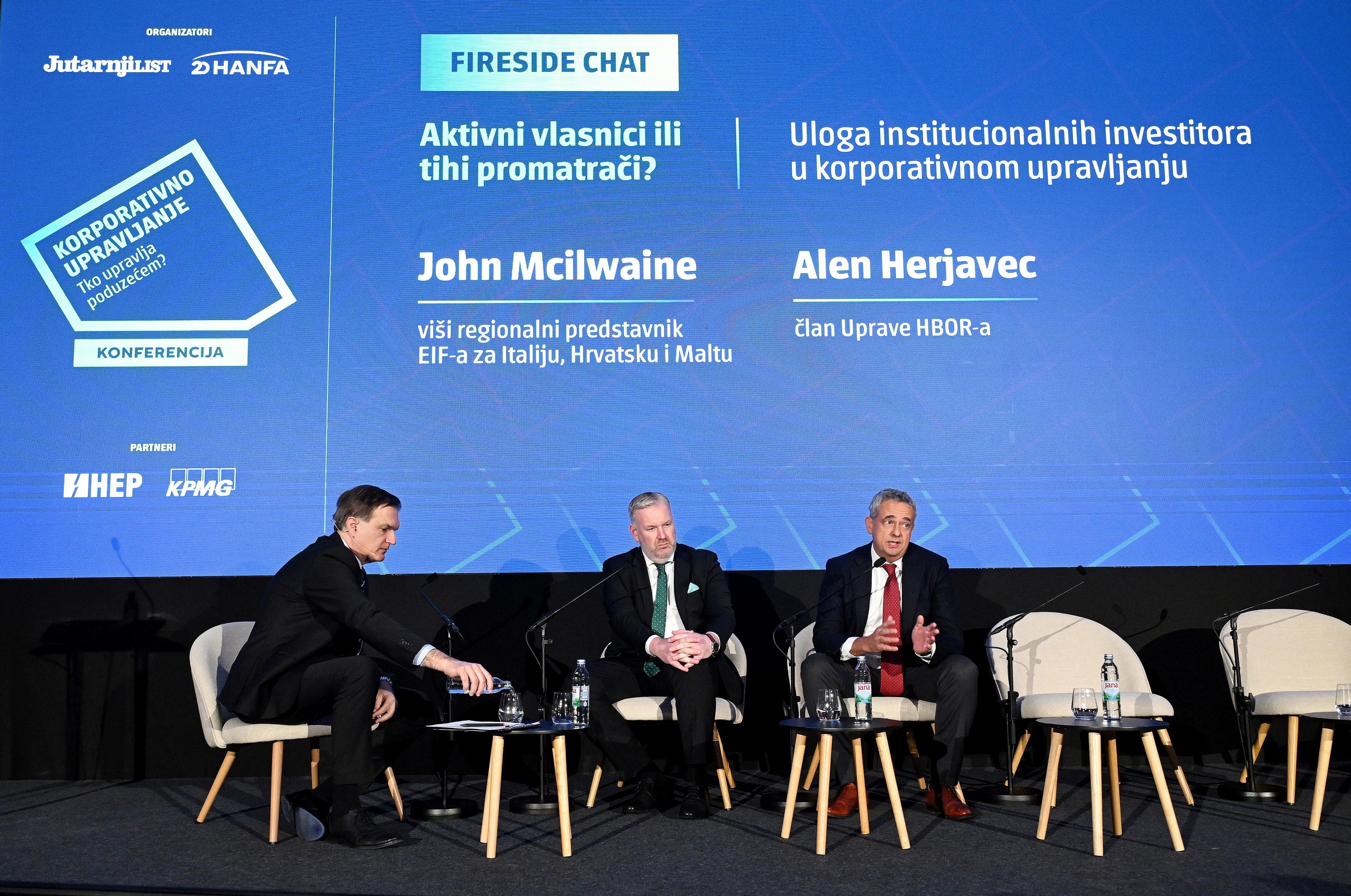
One of the conference's key themes was the evolving role of investors in corporate governance. The fireside chat on this topic featured John McIlwaine, EIF Senior Regional Representative for Italy, Croatia and Malta, and Alan Herjavec, Member of the Management Board of HBOR.
The discussion highlighted how the role of institutional investors has changed significantly in recent years. Companies are now expected not only to generate good financial results, but also to demonstrate high levels of transparency, effective oversight mechanisms, and clearly defined, long-term sustainable strategic objectives. Participants discussed the extent to which institutional investors should actively contribute to shaping corporate governance standards and where the boundary lies between investors' legitimate interests and the management board's responsibility for running the company. The discussion also highlighted the role of sound corporate governance in attracting long-term investment and fostering investor confidence.
Who sets the direction and who steers the company?
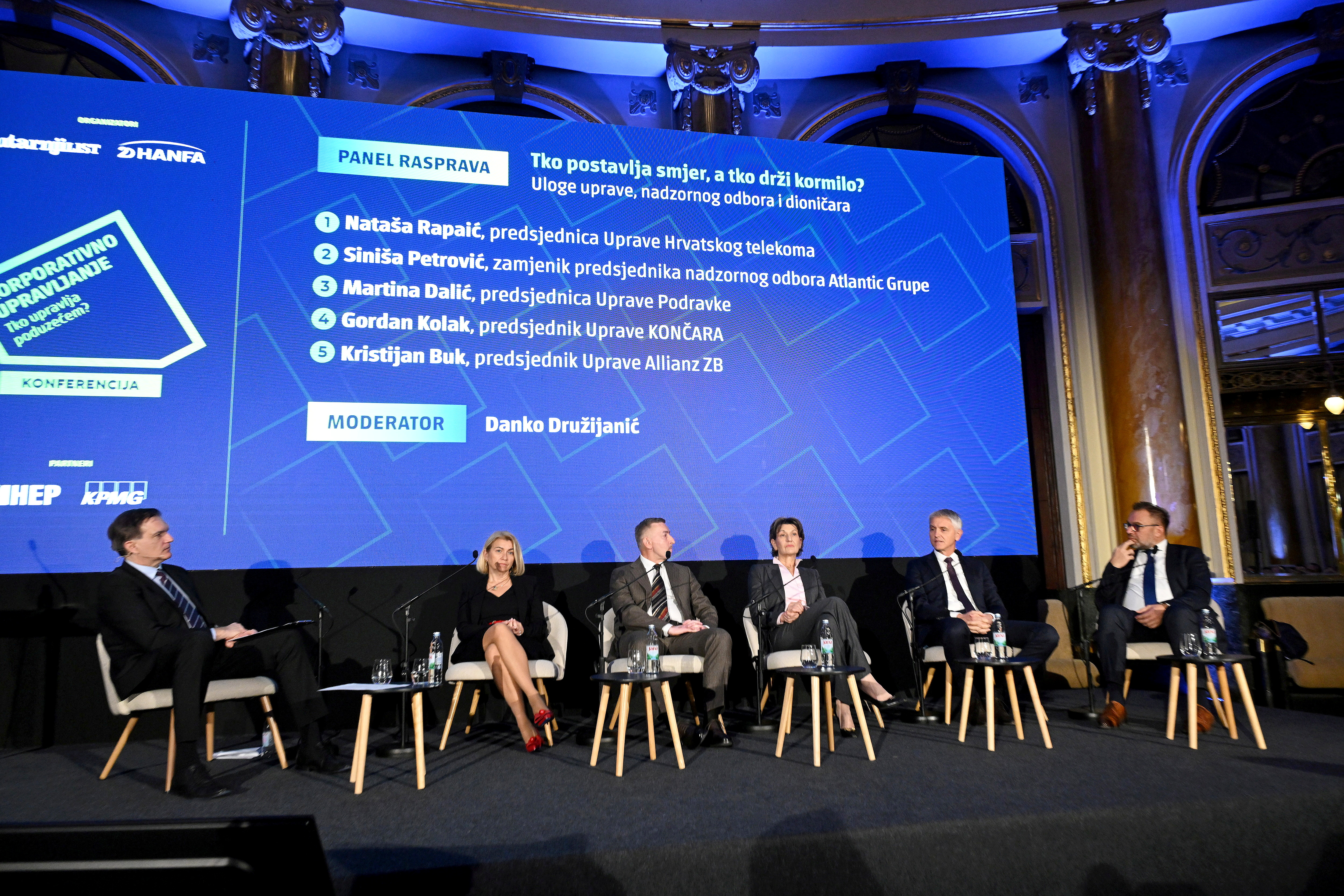
The relationship between management boards, supervisory boards and shareholders was the focus of a panel discussion featuring Nataša Rapaić, President of the Management Board of Hrvatski Telekom, Siniša Petrović, Deputy Chairman of the Supervisory Board of Atlantic Grupa, Martina Dalić, President of the Management Board of Podravka, Gordan Kolak, President of the Management Board of KONČAR, and Kristijan Buk, President of the Management Board of Allianz ZB.
The panellists discussed the relationship between management boards, supervisory boards and shareholders, and how to achieve an effective balance between governance, oversight, and shareholders' expectations in practice. Particular attention was paid to the role of supervisory boards in shaping corporate strategy, the importance of their independence and expertise, and the challenges of aligning the interests of different shareholder groups.
The discussion highlighted that effective corporate governance depends not only on clearly defined powers, but also on the quality of cooperation among a company's key governing bodies. Participants also reflected on the importance of long-term business planning, risk management, and companies' ability to maintain the trust of investors and other stakeholders while delivering business results.
The conference once again confirmed that effective corporate governance is not a matter of formally dividing powers, but of the ability of management boards, supervisory boards, shareholders and investors to act responsibly, transparently, and with a focus on the company's long-term objectives.
Photo: Goran Mehkek / CROPIX