M. Verić participates in panel discussions on current topics and challenges in the insurance sector
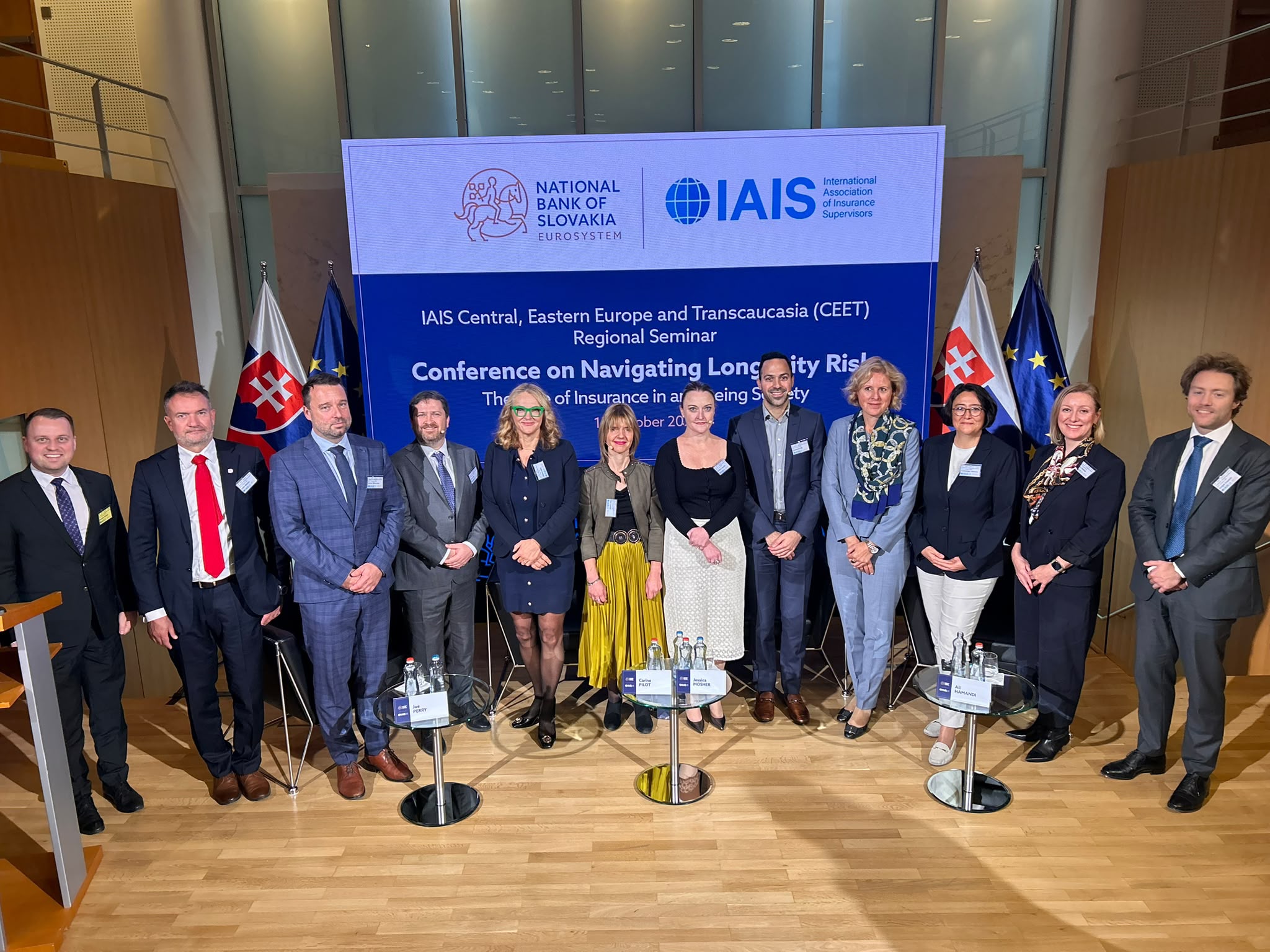
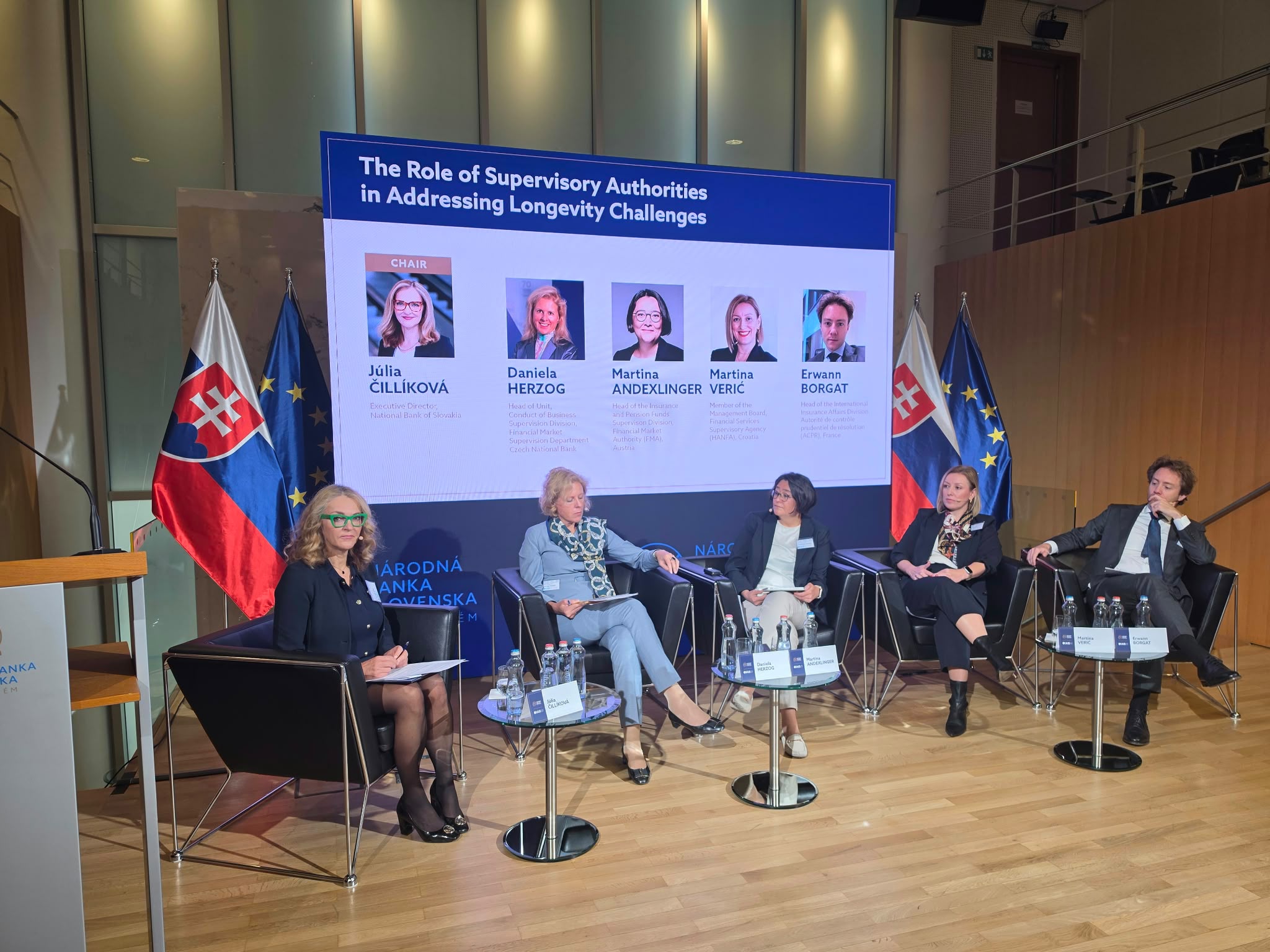
Martina Verić, Member of Hanfa Board, participated this week in panel discussions focused on insurance-related topics. On 15 October 2026, the regional seminar “Navigating Longevity Risk: The Role of Insurance in an Ageing Society” was held by the International Association of Insurance Supervisors (IAIS) and the National Bank of Slovakia. On 16 October 2026, the Croatian Chamber of Economy organised a roundtable entitled “From Risk to Resilience – Property Insurance and Climate Risks: Experiences, Challenges and Solutions”.
The challenges posed by population ageing for the financial sector, care systems and the long-term financial security of citizens were at the centre of the regional seminar, where Verić took part in the panel discussion “The Role of Supervisory Authorities in Addressing Longevity Challenges”. The discussion focused on the role of supervisory authorities in responding to challenges associated with increasing longevity, the need to develop financial and insurance products that can contribute to individuals’ financial security in later life, and the importance of consumer protection and safeguarding financial system stability.
Speaking about the role of regulators and supervisors, Verić noted: “Longevity risk is not merely a question of people living longer, but also of whether their financial resources, healthcare and social protection, and existing care arrangements are sufficient to ensure a good quality of life in old age. It is important to encourage the development of sustainable and innovative solutions that provide citizens with greater financial security, while at the same time ensuring a high level of transparency and consumer protection so that consumers clearly understand the guarantees included in individual products and the risks they continue to bear themselves.”
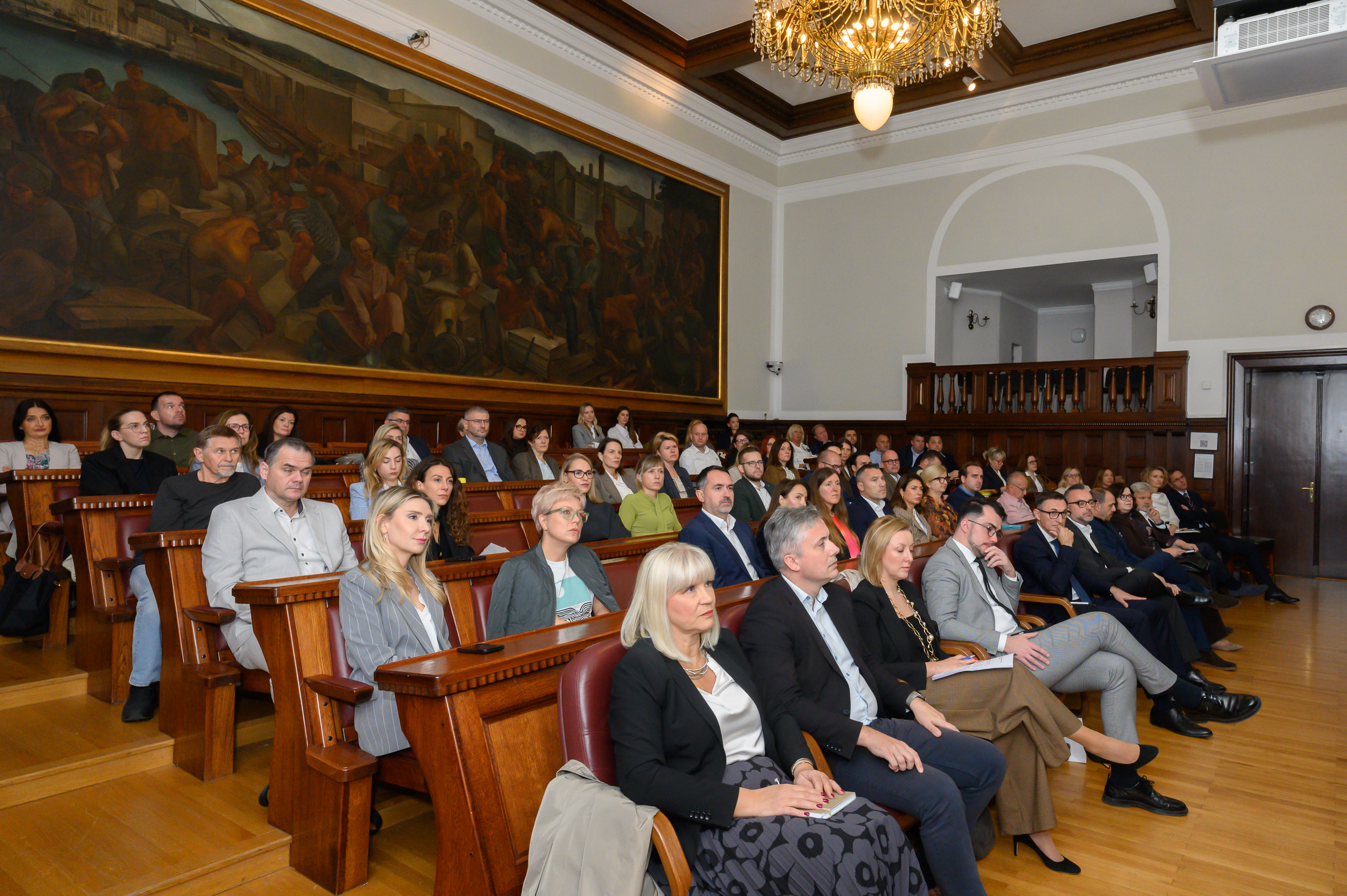
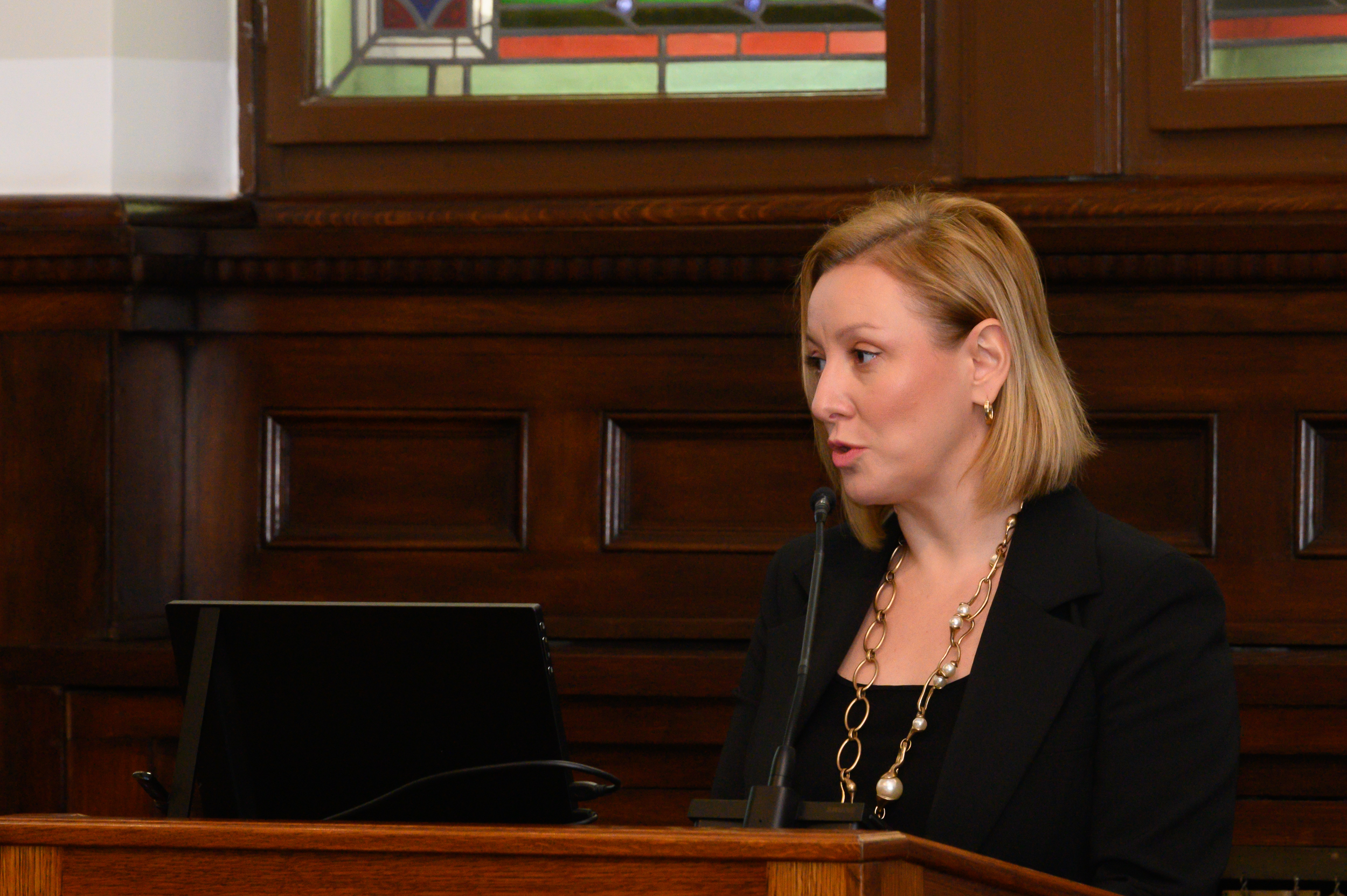
The low level of property insurance coverage in Croatia was a key theme of the Croatian Chamber of Economy roundtable “From Risk to Resilience – Property Insurance and Climate Risks: Experiences, Challenges and Solutions”. The event was organised with the aim of raising awareness among citizens and the business community of the financial risks arising from increasingly frequent natural hazards, such as storms, floods, hail and other extreme weather events.
“Climate risks rarely occur in isolation. Their materialisation often spreads across multiple segments of the financial system and may result in the simultaneous deterioration of credit, market and operational risks. For this reason, European supervisory authorities emphasise the importance of integrating climate risks into risk management frameworks, business decision-making processes and long-term strategic planning,” Verić said, emphasising that climate risks are regarded as systemic risks.
Insurance premiums covering natural hazards increased by an average of 10% per year between 2020 and 2025. However, this positive trend does not necessarily imply a narrowing of the insurance protection gap. To assess the actual level of resilience, it is important to consider the ratio between economic losses and the proportion of these losses covered by insurance. Data from EIOPA show that Croatia is among the four EU Member States with the largest protection gaps in natural catastrophe insurance. When a significant share of losses remains uninsured, expectations of government support following catastrophic events increase, potentially resulting in higher fiscal pressures and the need for extraordinary public expenditure. Reducing the insurance protection gap is therefore an important element in strengthening the financial resilience of the economy as a whole.