Hanfa Council Meeting: Stable capital positions of insurers and leasing companies support the resilience of the financial services sector
At today's meeting, members of the Council of the Croatian Financial Services Supervisory Agency (Hanfa) discussed the status of the Republic of Croatia’s accession to the OECD, the risks in the financial services sector, and the fiscalisation of the operations of leasing companies. The discussion also covered developments in the pension fund sector and planned legislative activities in the financial sector.
The process of acquiring full membership of the OECD for the Republic of Croatia began in January 2022, when the OECD Council opened accession negotiations. As part of the accession process, Hanfa headed technical reviews within two OECD committees (the Corporate Governance Committee and the Insurance and Private Pensions Committee) and one working group (the Working Party on Private Pensions). It participated as a member in the technical reviews within the Committee on Financial Markets, the Investment Committee, the Working Party on Financial Consumer Protection and the International Network on Financial Education.
Hanfa continuously collaborates with the competent ministries on the implementation of long-term recommendations received from the OECD committees and reports to the OECD on the progress made.
A Hanfa representative presented the members of the Council with the new issue of the publication Macroprudential Risk Scanner, which provides an analysis of the financial services sector. In the third quarter of 2025, the level of systemic risks in that sector remained elevated. Although macroeconomic conditions did not change significantly during that period and the economy continued to grow, elevated inflationary pressures and continued growth in property prices remained the main sources of risk.
Financial markets recorded relatively positive trends supported by reduced volatility and low risk premiums. Such a financial environment supported the growth of assets and stable returns of domestic funds, while maintaining satisfactory liquidity levels. However, the still highly unstable environment marked by geopolitical tensions and the resulting volatility of investor sentiment represent potential sources of instability, especially given the level of overvaluation of certain equity markets. Given the potential for sudden shifts in market sentiment that could trigger abrupt and disorderly market corrections, interest rate risk remains one of the dominant channels for any spillover of shocks, particularly to fund portfolios. The continued stable capital positions of insurers and leasing companies support the resilience of the sector and its ability to absorb adverse disruptions in an unstable environment.
A representative of the Association of Leasing Companies informed the members of the Council of the successful implementation of the Fiscalisation Act, which came into force on 1 January 2026, and of the e-invoice exchange, taking into account the challenges faced by all users in the process. Most leasing companies use FINA as their information intermediary, but those that have chosen other suppliers have also received satisfactory and adequate support.
Legislative amendments in the pension fund sector were one of the topics presented by a representative of the Association of Pension Companies and Pension Insurance Companies. There was also discussion about the Association's communication activities plan for this year and about the annual conference, which will be held in Poreč this year.
During the Council meeting, representatives of the Ministry of Finance provided an overview of the legislative activities planned by the Ministry’s Banking, Accounting and Auditing Department and the Financial Markets and Financial Literacy Department for this year.
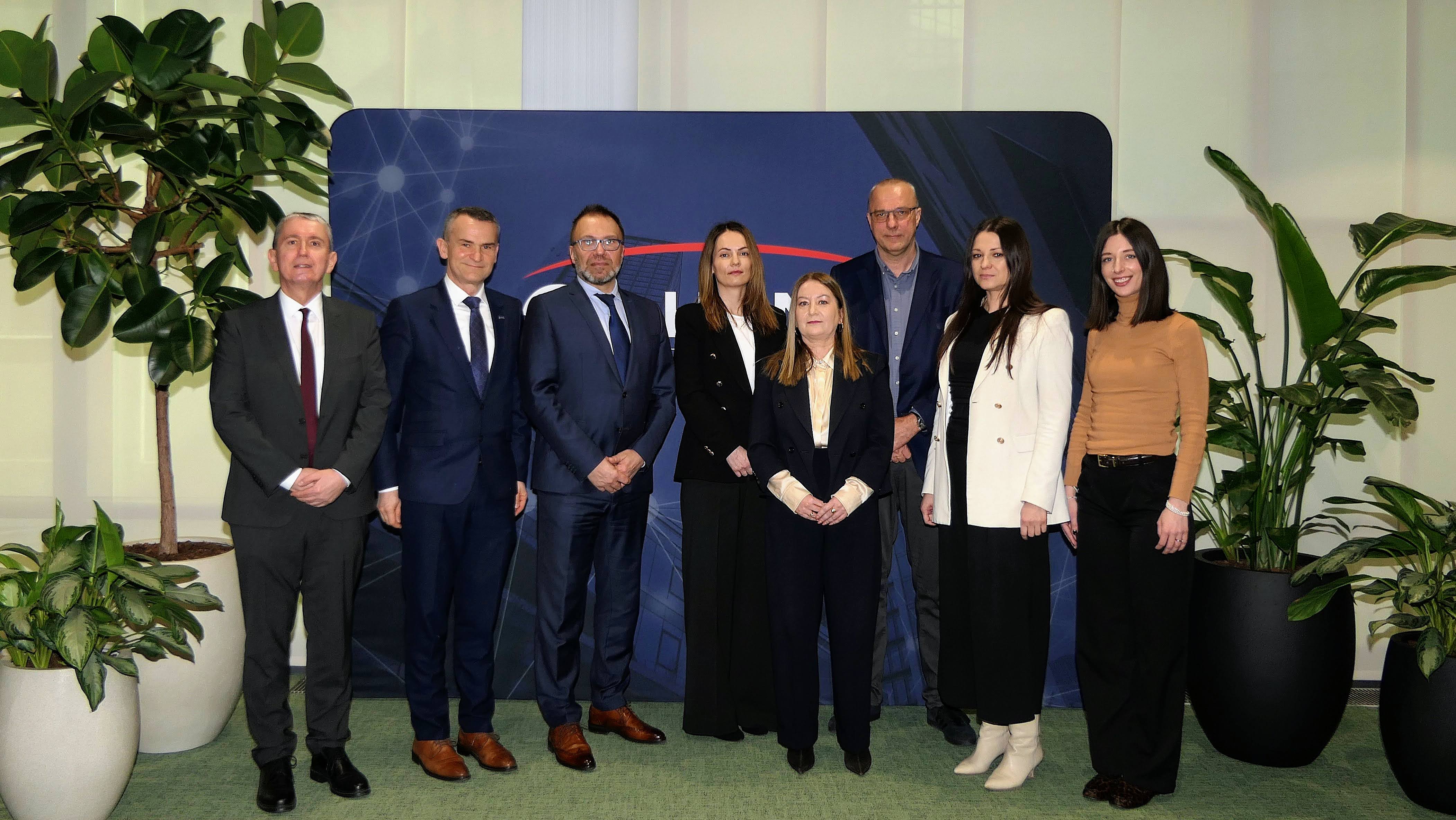
Hanfa Council is Hanfa’s advisory body that meets regularly and provides opinions and expert and scientific advice to develop and improve supervisory practice. It consists of nine members: President of the Hanfa Board (ex officio), five members elected by the representatives of supervised entities’ associations at the Croatian Chamber of Economy and three members appointed by the Government of the Republic of Croatia.

